
Jinsi ya Kukaribia Kumtazama Mchumba Wako Kabla ya Ndoa
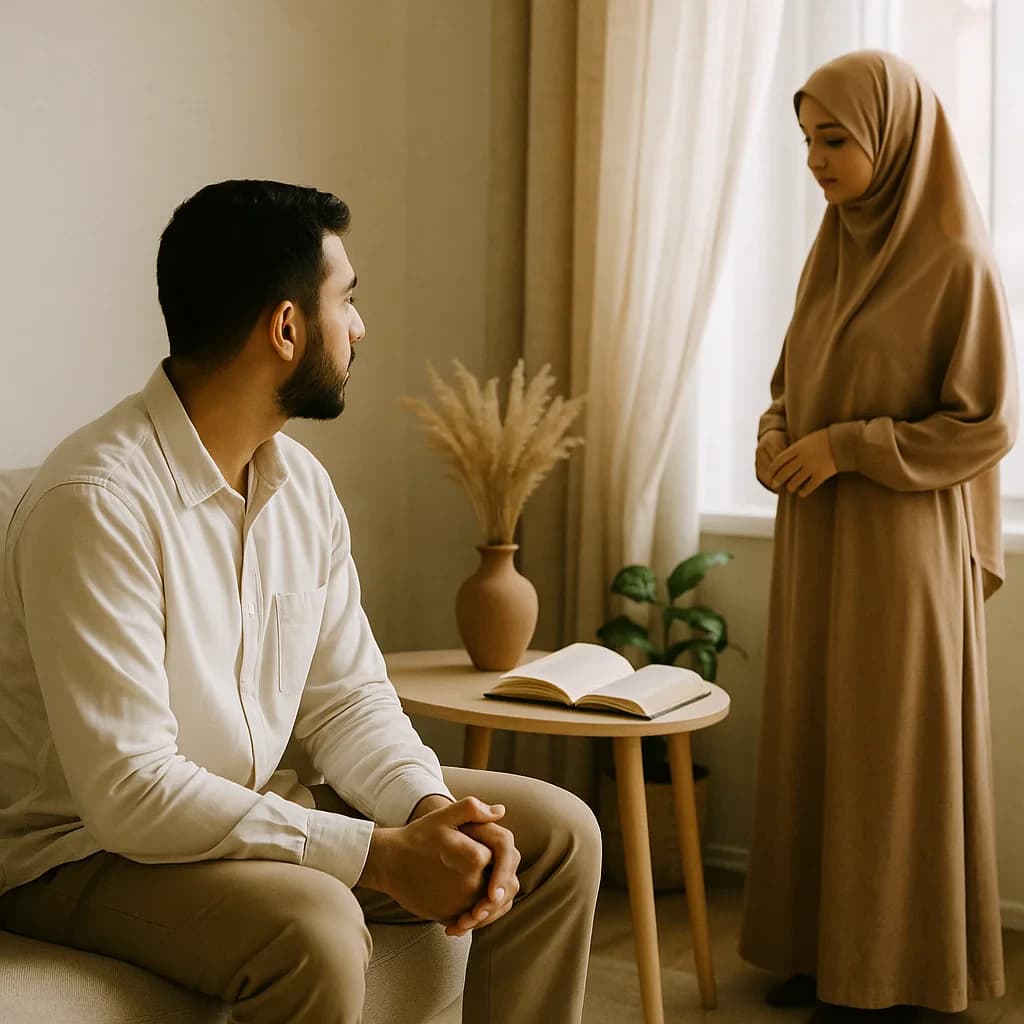
How to Approach Looking at Your Fiancée Before Marriage
Modern Muslim marriage practices often overlook the importance of looking at your fiancée before the wedding. Not only is this encouraged by Islamic tradition, but it also acts as a foundation for mutual respect and open communication. Understanding this can empower those who are navigating remarriage after a divorce or loss.
Looking at the fiancée before marriage in Islam is a practice encouraged by the Sunnah, aimed at fostering mutual understanding and comfort between prospective spouses.
Key takeaway: Approaching the fiancée viewing with sincerity and respect can pave the way for a harmonious marriage rooted in Islamic principles.
Understanding the Importance of Looking at Your Fiancée
Viewing one's fiancée aligns with the Islamic principles of transparency and mutual respect. This is not merely a physical observation but an opportunity to ensure that both parties feel comfortable and compatible even before the marriage ceremony. Checking compatibility in terms of values and lifestyle can lead to a more successful union.
Step 1: Seek Permission and Involve Your Wali
Your first step should be to seek permission from your fiancée and involve her wali (guardian). This ensures that her family is aware and supportive of the process. Involving the wali not only adheres to Islamic guidelines but also creates a supportive atmosphere where both families can feel engaged and respected.
Step 2: Create a Respectful Environment for Viewing
Choose a neutral setting that respects the boundaries of Islamic etiquette. This means avoiding secluded or inappropriate locations. A family gathering or a public space is ideal. The goal is to foster an environment of respect and dignity, reflecting the values of Islamic marriage.
Step 3: Take Time to Observe with an Open Mind
During this opportunity, take your time. Engage in conversations that allow you both to be candid about your expectations and personalities. Observe her character, demeanor, and how she interacts with others. This is more than just a visual assessment; it’s about understanding her as a person. Remember to keep your intentions pure; this is a step towards building a life together.
Step 4: Discuss Important Values Together
After your initial viewing, engage in discussions surrounding values that are important to both of you. Talk about family, religion, and future aspirations. This dialogue can help both of you assess how aligned your goals are, which is critical for long-term compatibility.
Mistakes to Avoid When Viewing Your Fiancée
- Avoid rushing the process. Take your time to understand each other fully.
- Don't focus solely on physical attributes; assess character and values instead.
- Refrain from making comparisons with past relationships; this is about the present.
- Don’t disregard the importance of the wali’s involvement; their blessings and guidance are crucial.
Checklist for Viewing Your Prospective Spouse
- Seek permission from the fiancée and involve her wali.
- Choose a respectful and comfortable setting for the viewing.
- Observe her character and engage in meaningful conversation.
- Discuss each other’s values and future aspirations.
- Avoid rushing the process or making superficial judgments.
Incorporating these steps into your approach will not only adhere to Islamic principles but also help build a strong foundation for your next marriage. For additional insights on finding the right partner, consider resources like From Intention to Nikah: Spotting Red Flags in Islamic Marriage.
Related reading
- 9 Key Differences: GoodSpouse vs Salams for Serious Matrimony
- A Calm, Halal Approach to Sunnah Practices for Your Walima
Common questions Muslims ask
Is it mandatory to see your fiancée before marriage?
While not mandatory, seeing your fiancée is highly recommended in Islam to ensure compatibility and comfort before marriage. It follows the Sunnah and fosters understanding.
What should I focus on when looking at my fiancée?
Focus on her character, values, and how she engages with others, in addition to physical attraction. This holistic view is essential for a successful marriage.
Can family members be present during the viewing?
Yes, involving family is encouraged. It adds a layer of support and propriety, aligning with Islamic adab and ensuring comfort for both parties.
What if I feel nervous during the viewing?
Feeling nervous is natural. Approach the meeting with honesty and humility, remembering that sincerity in intentions is key to a blessed union.
Explore GoodSpouse when you are ready for a sincere next step.
Makala zinazohusiana
Adab wa Mke na Mumewe katika Uislamu
Chunguza adabu ya mke na mumewe katika Uislamu kupitia Qur’an na Sunnah. Gundua mwongozo unaofaa kwa ndoa iliyobarikiwa. Jiunge na GoodSpouse leo!
Adab wa Mume akiwa na Mkewe katika Uislamu dhidi ya Programu za Kawaida za Kuchumbiana
Chunguza adabu ya mume na mke wake katika Uislamu kwa ndoa yenye kutimiza. Jifunze kutoka kwa Qur-aan na Sunnah. Anza safari yako na GoodSpouse leo!
Kusimamia Adabu ya Usiku wa Harusi katika Uislamu
Chunguza adabu ya usiku wa harusi katika Uislamu ili kuhakikisha mwanzo mzuri wa ndoa yako. Jifunze mwongozo wa kivitendo, wenye huruma unaokita mizizi katika Qur'an na Jua
Adab ya Ndoa katika Uislamu: Misingi ya Vifungo vya Kudumu
Chunguza adabu ya ndoa katika Uislamu kupitia Kurani na Sunnah sahihi. Jifunze adabu muhimu zinazokuza upendo na heshima. Gundua zaidi ukitumia GoodSpouse.

Sanaa ya Kuonyesha Upendo na Mapenzi katika Ndoa: Islami
Sanaa ya Kuonyesha Upendo na Mapenzi Katika Ndoa: Mitazamo na Matendo ya Kiislamu Ndoa katika Uislamu ni kifungo kitakatifu ambacho kinakuzwa kupitia upendo, huruma, na uelewa. Njia tunayomaliza ...