
Navigating Intercultural Marriages: Balancing Traditions and
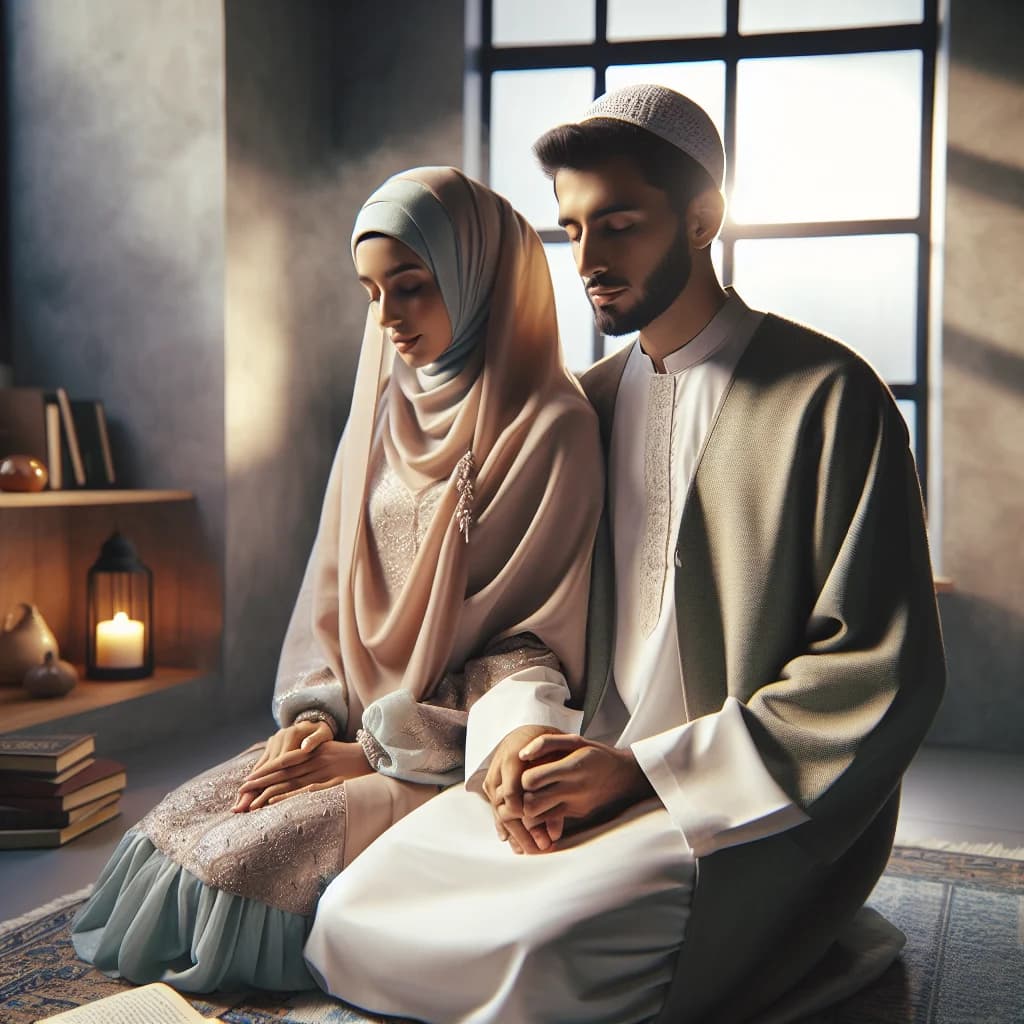
Navigating Intercultural Marriages: Balancing Traditions and Faith in a Modern World
Marriage is a sacred union in Islam, one that brings two individuals together not just in companionship but also in faith and belief. As our world becomes increasingly interconnected, intercultural marriages have become more common and present a unique set of challenges and opportunities. Balancing traditions and faith in such marriages is crucial for maintaining harmony and unity within the relationship.
Intercultural marriages can enrich our lives by exposing us to new perspectives, traditions, and experiences. However, they can also bring about conflicts when it comes to integrating different cultural practices and religious beliefs. Navigating these challenges requires open communication, mutual respect, and a willingness to compromise.
One of the key aspects of balancing traditions and faith in an intercultural marriage is to establish a strong foundation of mutual understanding and respect. Both partners should be willing to learn about each other's cultural background and religious practices. This could involve participating in each other's traditions, attending cultural events, or even learning a new language.
At the same time, it is essential to prioritize faith and religious beliefs in the marriage. Islam teaches us the importance of upholding our faith and values, even in the face of differences. Both partners should discuss their religious practices and expectations openly and work together to find common ground that respects both traditions.
Another important aspect of navigating intercultural marriages is to seek guidance and support from knowledgeable individuals, such as imams, counselors, or elders within the community. These individuals can offer valuable advice based on Islamic teachings and help mediate conflicts that may arise due to cultural differences.
Furthermore, it is crucial for both partners to prioritize their relationship with Allah above all else. In Islam, marriage is a sacred bond that should be based on faith, love, and mutual respect. By strengthening their relationship with Allah through prayer, reading the Quran, and performing acts of worship together, couples can find solace and guidance in times of uncertainty.
Ultimately, navigating intercultural marriages requires a deep commitment to communication, understanding, and compromise. It is essential for both partners to approach their marriage with an open heart and mind, willing to embrace the differences that make their relationship unique and special.
By finding a balance between traditions and faith, intercultural couples can create a harmonious and fulfilling marriage that not only respects their individual backgrounds but also strengthens their bond as believers in the sight of Allah.
To find a righteous partner, install the Good Spouse app: http://goodspouse.com/go/en.
Install the Good Spouse app: ⬇️⬇️⬇️⬇️⬇️
Gerelateerde artikelen
The Importance of Emotional Intelligence in Marriage: A Guid
The Importance of Emotional Intelligence in Marriage: A Guide for Muslim Couples In Islam, marriage is considered a sacred bond that brings two individuals together to fulfill their faith, support one...
Navigating Modern Dating Apps as a Hanafi Muslim: Tips for F
Navigating Modern Dating Apps as a Hanafi Muslim: Tips for Finding a Righteous Spouse As a Hanafi Muslim navigating the world of modern dating apps, it can be challenging to stay true to your values w...
5 Modern Tips for Keeping Your Marriage Strong in a Digital
5 Modern Tips for Keeping Your Marriage Strong in a Digital World Welcome to the digital age, where technology has revolutionized the way we communicate and connect with others. While the digital worl...