
9 tekenen dat je klaar bent om te beslissen hoeveel mahr je wilt afspreken voor de nikah

9 Signs You're Ready to Decide How Much Mahr to Agree Before Nikah
You already know the social weight of marriage conversations, especially when you are building a home the second time around. Readers are asking what mahr a couple should agree on before nikah without letting cultural pressure or past baggage dictate the terms. If you are a divorcee or widow stepping back into the search, your approach to financial agreements requires a blend of mature realism and prophetic dignity.
The mahr is a mandatory financial gift given by the groom to the bride as a core component of the Islamic marriage contract, symbolizing security and sincere commitment.
Clarity replaces anxiety when both adults approach this step with clear eyes. To help you evaluate your readiness, this checklist maps out the practical milestones of deciding how much mahr to agree before nikah while keeping the Sunnah at the center of your discussions.
Key takeaway: Prioritizing prophetic ease and clear communication ensures your mahr agreement honors both parties before the nikah.
Assessing Your Financial Clarity and Real-World Needs as a Remarrying Adult
- You have separated your personal assets, debts, and ongoing expenses from any previous marriage history so you know your exact baseline.
- You understand the distinction between deferred mahr meant for long-term security and prompt mahr given at the contract signing.
- You are looking at a mahr amount in islam that genuinely reflects your current life stage rather than matching what your peers or family members received decades ago.
- You can articulate your financial boundaries calmly without feeling defensive about your past experiences.
Evaluating Family Communication and Boundaries Regarding Financial Terms
- You have established clear boundaries so that external family expectations do not hijack private marital negotiations.
- You know how families discuss mahr with dignity, shielding the prospective groom from unreasonable cultural demands.
- You are prepared to redirect well-meaning relatives who treat the contract like a financial transaction rather than a sacred covenant.
- You can speak directly with your future spouse without needing intermediaries for every minor detail of the halal marriage financial agreements you are drafting.
Spotting Green Flags in Financial Transparency and Mutual Respect
- Your prospective spouse answers questions about his income, savings, and obligations without hesitation or evasion.
- He treats your mahr request as a valid right rather than an annoying hurdle or a personal insult.
- He actively works to find a middle ground if your initial figures do not align immediately, prioritizing harmony over pride.
- He respects your financial independence and acknowledges your right to keep your wealth entirely separate under Islamic law.
Identifying Red Flags of Pressure, Guilt-Tripping, or Excessive Demands
- Either party uses emotional manipulation, invoking past trauma or guilt to force a lower or higher figure.
- The prospective husband minimizes your legitimate need for security by labeling reasonable requests as materialistic.
- External family members threaten to derail the marriage over specific monetary figures or gold weights.
- There is a refusal to put the agreed terms in writing before the contract is signed by the witnesses.
Weighing Ease and Simplicity in Light of Authentic Sunnah Teachings
- You remember that prophetic tradition emphasizes
Quick answers
What is the minimum amount for mahr in Islam?
Islamic law does not fix a universal minimum monetary floor for the mahr. The authentic Sunnah emphasizes ease, sincerity, and what the husband can genuinely afford without hardship, ensuring the agreement honors the bride's right.
Can the mahr be paid in installments after the nikah?
Yes, mahr can be split into prompt payment due at the time of nikah and deferred payment settled later or upon specific life events. Both parties must clearly define the payment schedule before signing the contract.
How should families discuss mahr without causing friction?
Discussions work best when kept private, respectful, and focused on mutual ease rather than social competition. Prioritizing clear communication protects the dignity of both families before the marriage contract is finalized.
Next step: create a sincere profile on GoodSpouse and involve your family early.
Gerelateerde artikelen
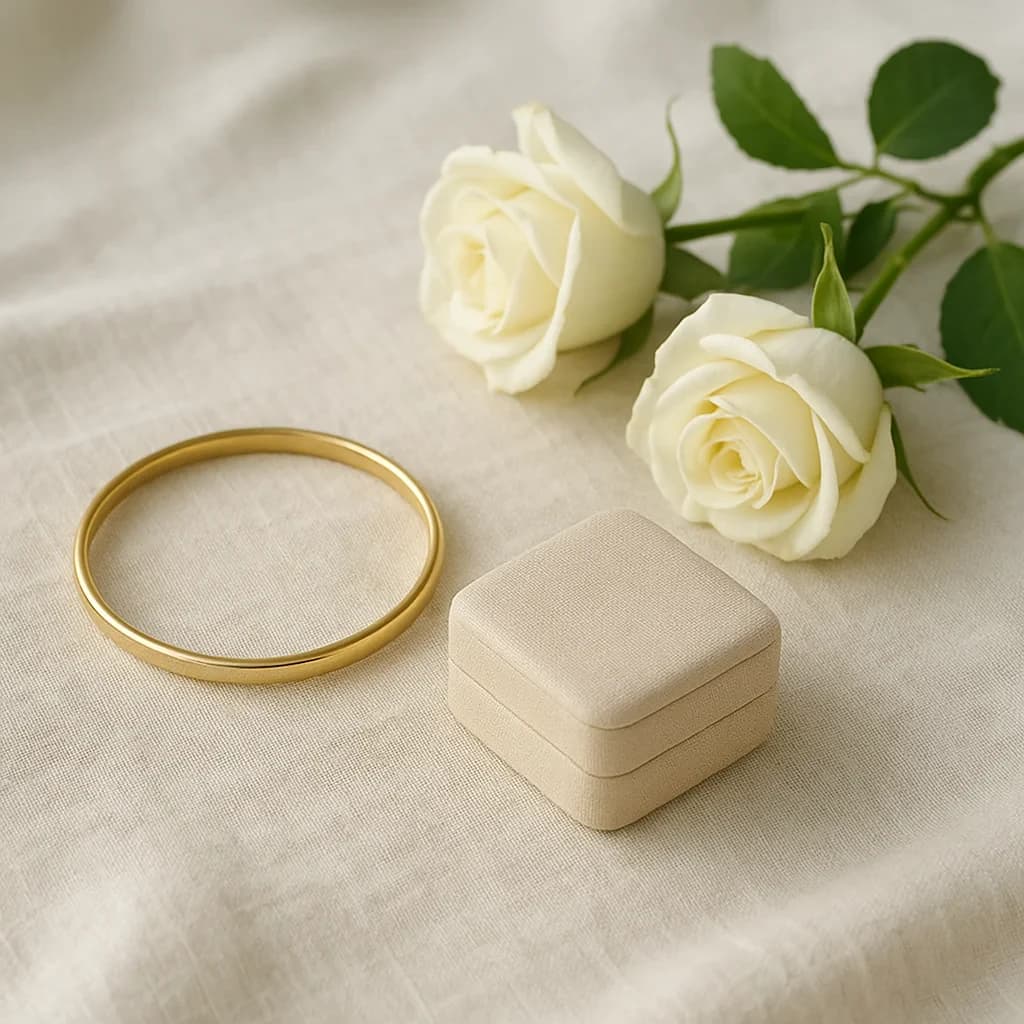
Hoe de Mahr te Bepalen voor de Nikah: Een Praktische Gids
Benieuwd hoeveel mahr af te spreken voor de nikah? Leer waardige manieren om mahr te bespreken en te beslissen die de islamitische tradities en waarden respecteren.

Hoeveel Mahr af te spreken voor Nikah: Een Praktische Checklist
Voer het gesprek over hoeveel mahr af te spreken voor nikah met waardigheid en gratie. Ontdek praktische tips en essentiële aandachtspunten!

Een Kalm, Halal Benadering om Overeenstemming te Bereiken over de Mahr voor de Nikah
Ontdek praktische stappen over hoeveel mahr overeen te komen voor de nikah. Leer op een elegante manier mahr te bespreken met familie en zorg voor een soepele start van je huwelijk.
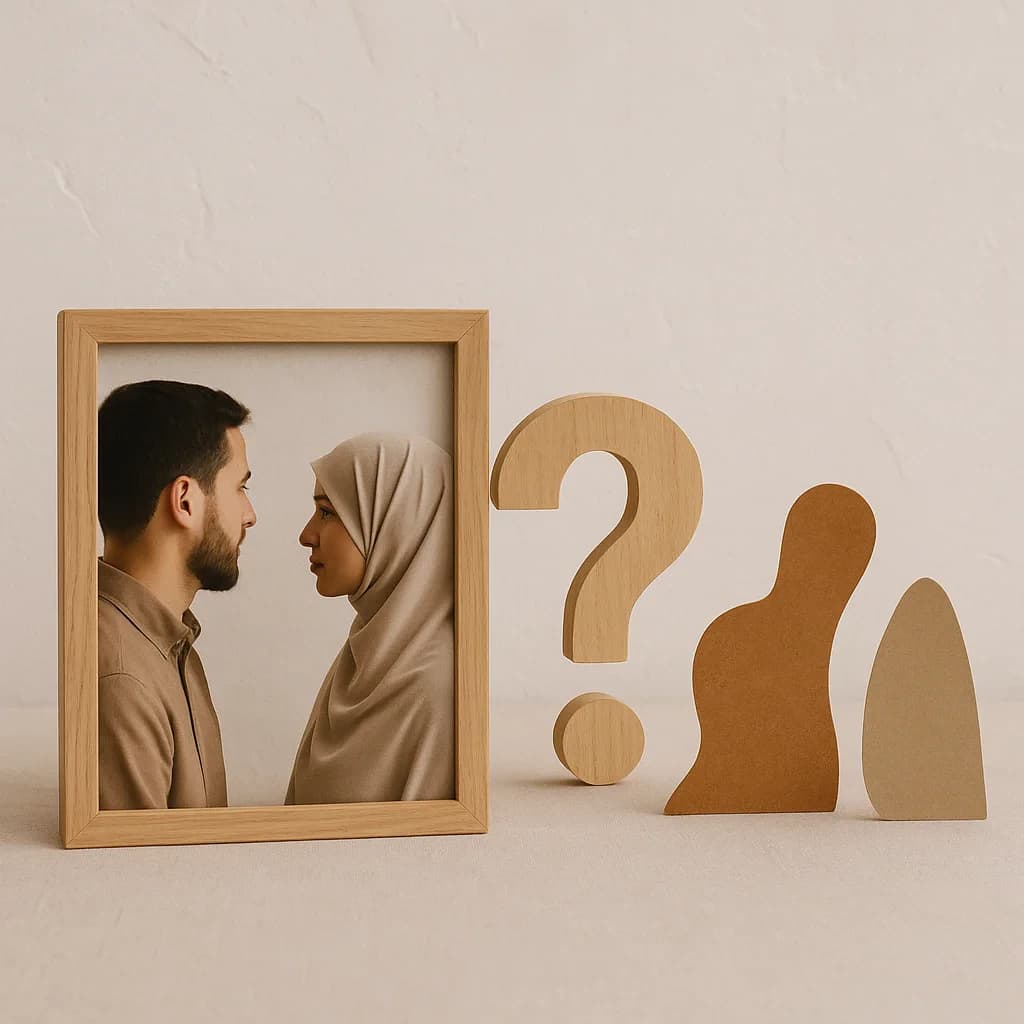
Hoe je je verloofde respectvol kunt bekijken voor het huwelijk
Ontdek de authentieke islamitische manier om naar de verloofde te kijken voor het huwelijk. Ontdek praktische adab geworteld in de Koran en de Soennah voor een gezegend nikah.
Van intentie tot nikah: vragen om te stellen vóór een moslimhuwelijk
Beheers serieuze voortehuwelijkse gesprekken met specifieke vragen om te stellen vóór een moslimhuwelijk, en veranker je compatibiliteitschecks in authentieke islamitische adab.