
Navigating Love Languages in Muslim Marriages: Understanding
Navigating Love Languages in Muslim Marriages: Understanding and Expressing Affection in Islam
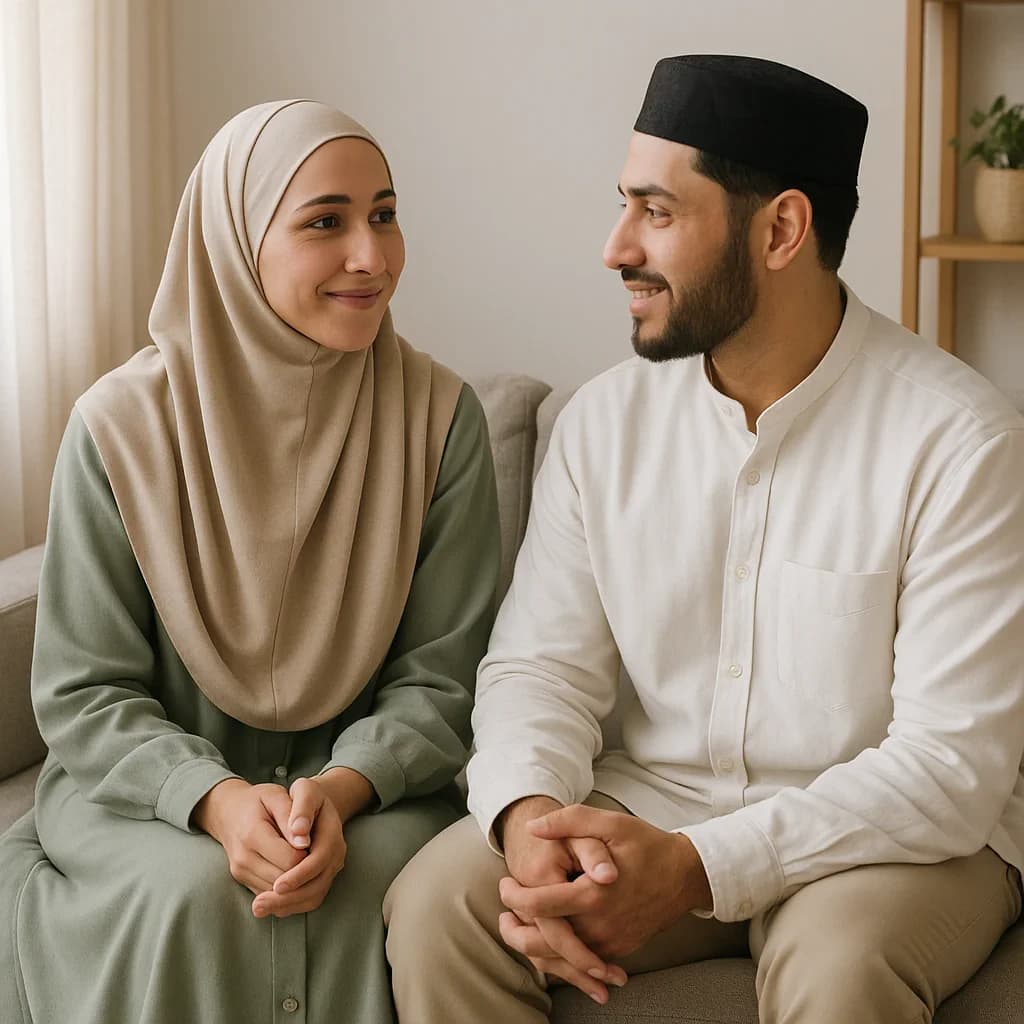
In Islam, expressing love and affection within a marriage is highly encouraged as it strengthens the bond between spouses and brings blessings from Allah. Each individual has their unique way of feeling and expressing love, which are often categorized as love languages. Understanding and navigating these love languages in Muslim marriages can lead to a deeper connection and a more fulfilling relationship.
One of the five love languages, as described by author Gary Chapman, is words of affirmation. In the context of a Muslim marriage, this can manifest through expressing appreciation, complimenting each other's good deeds, and offering words of encouragement. The Prophet Muhammad (peace be upon him) set a beautiful example of using kind words and affirmations towards his spouses, highlighting the importance of this love language in Islam.
Another love language is acts of service, where actions speak louder than words. In a Muslim marriage, serving one another not only fosters love but also fulfills the teachings of Islam regarding kindness and generosity. Simple acts like preparing a meal, helping with chores, or assisting each other in daily tasks can be powerful expressions of love in a Muslim marriage.
Physical touch is another love language that plays a significant role in expressing affection in Muslim marriages. Within the boundaries set by Islamic teachings on modesty and interaction between genders, holding hands, hugging, or a gentle touch on the shoulder can convey love and care in a profound way. The importance of physical intimacy and affection is recognized in Islam as a means of strengthening the marital bond.
Gift-giving is a love language that holds value in Islam as it symbolizes thoughtfulness and consideration for one's spouse. The Prophet Muhammad (peace be upon him) encouraged giving gifts and considered it a source of blessings in a marriage. Whether it's a simple gesture or a lavish present, the act of giving gifts can communicate love and appreciation in a Muslim marriage.
Quality time is a love language that focuses on spending meaningful moments together. In a Muslim marriage, dedicating time to engage in conversations, participate in activities, and create lasting memories is crucial for building a strong emotional connection. Disconnecting from distractions and investing time in each other strengthens the marital bond and enriches the relationship.
Understanding the concept of love languages and incorporating them into Muslim marriages can enhance communication, deepen emotional intimacy, and nurture a loving partnership. By recognizing and respecting each other's preferred love languages, spouses can effectively express affection and strengthen their bond, all while seeking the pleasure of Allah in their marriage.
To find a righteous partner, install the Good Spouse app: http://goodspouse.com/go/en
Install the Good Spouse app: ⬇️⬇️⬇️⬇️⬇️
Artikel berkaitan

Nurturing Emotional Intimacy in Marriage: Practical Tips fro
Nurturing Emotional Intimacy in Marriage: Practical Tips from Islamic Teaching Marriage is a sacred bond between two individuals that is not only based on physical attraction and compatibility but als...
5 Ways to Foster Emotional Intimacy with Your Spouse in a Di
5 Ways to Foster Emotional Intimacy with Your Spouse in a Digital Age As we navigate through the challenges and distractions of the digital age, it is essential for married couples to prioritize emoti...

Modern Muslim Marriage: Nurturing Emotional Intimacy and Com
Modern Muslim Marriage: Nurturing Emotional Intimacy and Communication in Relationships Marriage in Islam is a sacred bond that brings two individuals together in a lifelong commitment. Along with ful...