
Zaɓen Halaye Sama da Kyau a Zaɓen Abokin Aure
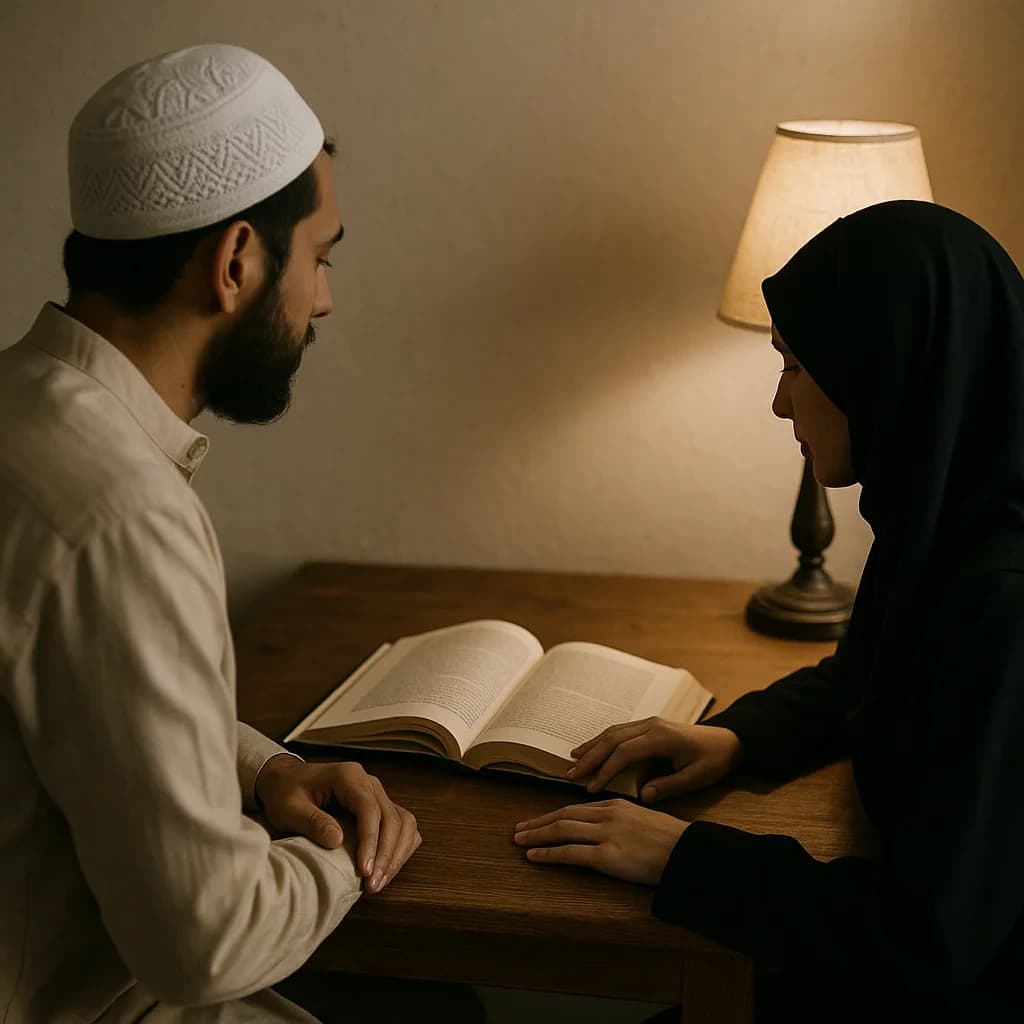
Choosing Character Over Looks in Spouse Selection
The debate between character and looks in choosing a spouse in Islam emphasizes the significance of a partner's morals, behavior, and piety over superficial qualities.
Myths surrounding spouse selection often spread due to cultural influences, misconceptions, and the influence of media. These ideas can lead many to prioritize surface-level attributes like looks over essential qualities such as character and piety. Understanding the truth can lead to healthier, more fulfilling marriages.
Key takeaway: Choosing a spouse based on character ensures a strong, lasting foundation for marriage.
Myth: Looks Are More Important Than Character
Fact: Character (Akhlaq) is Key to Lasting Happiness. Islamic teachings emphasize the importance of a partner's morals and behavior. The Prophet Muhammad (peace be upon him) stated that a person’s character should be the primary consideration when looking for a spouse. Physical beauty is temporary, while good character contributes to the long-term joy and stability in a relationship.
Myth: High Piety Means Less Attractiveness
Fact: Piety Enhances Personal Beauty. Some believe that individuals who are more pious may lack physical appeal. In reality, true piety often radiates through one’s personality and behavior, making them far more attractive. Pious individuals tend to exude kindness, compassion, and integrity, which fosters deeper connections.
Myth: Finding the Perfect Partner is Easy
Fact: Connection Requires Time and Effort. The misconception that finding the right person should come effortlessly can lead to disappointment. Building a strong relationship takes time, patience, and mutual understanding. Investing effort in understanding each other’s values and goals is essential for a successful union.
Myth: Family Opinion is Irrelevant
Fact: Involving Family Strengthens Marriage Foundations. Some may dismiss the role of family in spouse selection, considering it outdated. However, involving family members can provide valuable insights and support. Their experiences can guide you in choosing wisely, creating a more robust support system for your marriage.
Myth: Wealth Equals Happiness
Fact: Simplicity and Contentment Are Key. Many believe that a wealthy spouse guarantees happiness. However, an emphasis on material wealth can overshadow essential qualities such as kindness, respect, and faithfulness. A content heart, nourished by strong character, often leads to a more fulfilling life together.
Myth: You Shouldn't Have Standards
Fact: Having Standards is Vital for Compatibility. Some argue that insisting on specific characteristics is unrealistic or judgmental. However, having standards based on Islamic values and personal aspirations helps ensure compatibility. It's crucial to know what qualities you regard as non-negotiable in a spouse.
Myth: Love Will Fix All Problems
Fact: Love Must Be Built on Mutual Respect and Understanding. The idea that love alone can solve all issues can lead to serious misunderstandings in marriage. True love is rooted in respect, communication, and shared values. Problems require dialogue and a commitment to work through difficulties together.
What to Do Instead: Practical Steps for Choosing Wisely
- Reflect on your values and what qualities you seek in a partner.
- Engage family members in discussions about marriage to gather their perspectives.
- Utilize resources that emphasize character and compatibility, such as GoodSpouse.
- Invest time to know your potential spouse deeply before making decisions.
- Prioritize character traits such as kindness, piety, and respect over looks.
In seeking a spouse, may we prioritize those who embody the righteous characteristics reflected in Islamic teachings. The essence of a successful marriage lies not just in the romantic ideals but in the shared commitment to grow together in faith and character.
Related reading
- Stop Guessing: A Checklist for Looking at Your Fiancée
- Avoiding Mistakes: Choosing Character Over Looks in Marriage
People also ask
What is more important in choosing a spouse: character or looks?
In Islam, character and akhlaq are paramount. While looks may initially attract, a partner's character is crucial for a harmonious and lasting marriage.
How can I prioritize character when looking for a spouse?
Focus on values and qualities that reflect good character, such as kindness, honesty, and piety. Engaging in discussions about morals and life goals can reveal much about your potential partner.
What role does family play in spouse selection?
Family opinions can provide valuable insights and support in choosing a partner. Involving them respects Islamic traditions and may lead to better compatibility.
Is it realistic to find a spouse with both good character and looks?
While it's natural to desire both, focusing on character will lead to a more fulfilling relationship. Beauty can fade, but good character endures.
Explore GoodSpouse when you are ready for a sincere next step.
Labarai masu alaka

Guje wa Kuskurena: Zaɓar Halaye Fiye da Kyan Fuska a Aure
Gano yadda za a fifita halaye akan kyan fuska wajen zaɓar abokin aure a Musulunci. Ƙarfafa bincikenka da shawarwari masu amfani da abubuwan da za a kula da su.
Abin da Iyaye Ya Kamata Su Sani Game da Halayya da Kyau a Zaben Abokin Aure
Gano daidaiton halayya da kyau a cikin zaben abokin aure a Musulunci. Koyi shawarwari masu amfani bisa ga Alƙur'ani da Sunnah. Fara tafiyarka a yau!
Zaɓen Abokin Aure: Halayya da Kyau a Musulunci
Bincika tatsuniyar kyau da halayya wajen zaɓen abokin aure a Musulunci. Koyi abin da yake da muhimmanci don aure mai ɗorewa. Fara tafiyarka tare da GoodSpouse a yau.
Daga Niyya zuwa Aure: Sirri da Rufe Jiki a Cikin Aure
Bincika ka'idodin Musulunci na sirri da rufe jiki tsakanin ma'aurata. Koyi yadda za a kiyaye haya a cikin aure tare da GoodSpouse.
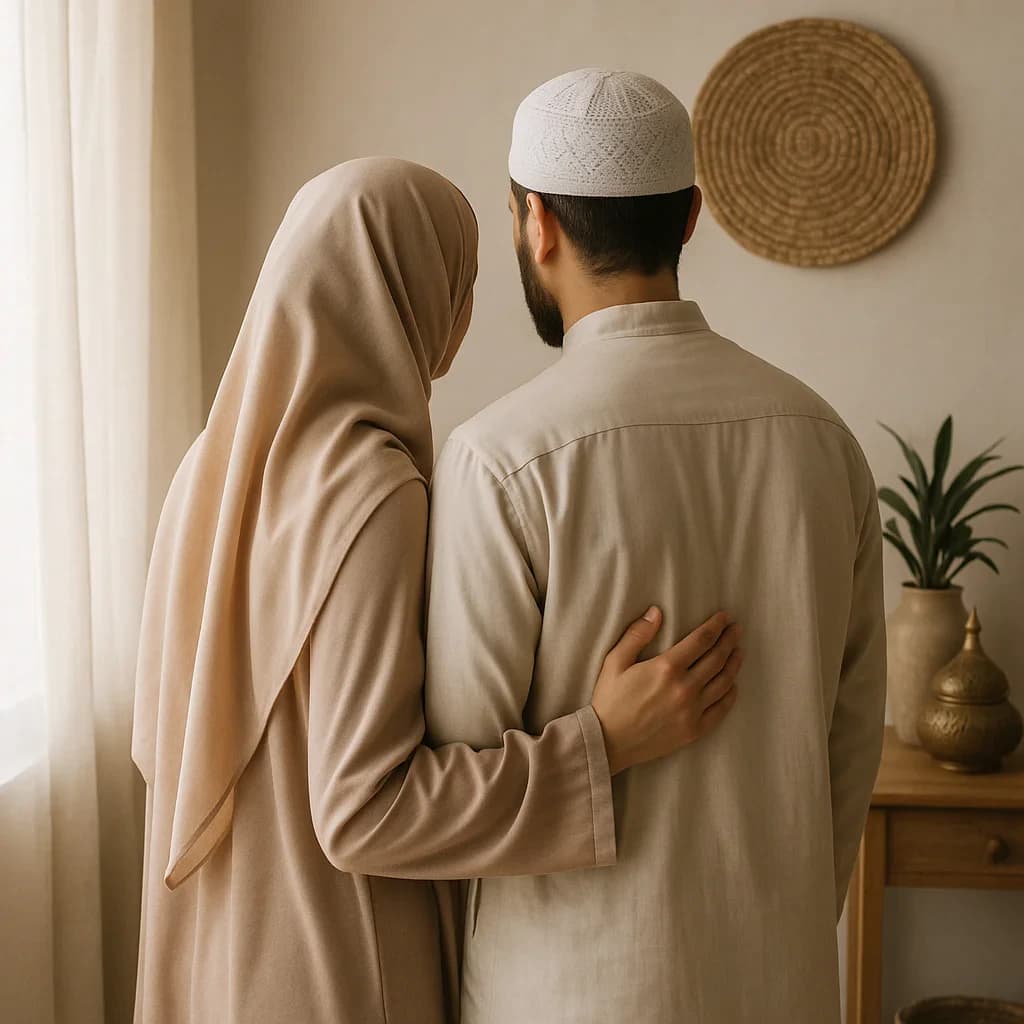
Yadda Ake Kula da Sirri da Rufe Jiki a Cikin Aure
Koyi yadda sirri da rufe jiki tsakanin ma'aurata a Musulunci ke inganta dangantakar aure. Gano shawarwari da ka'idoji masu amfani don samun dangantaka mai gamsarwa.