
Adab na Aure a Musulunci: Tushen Dorewar Dangantaka
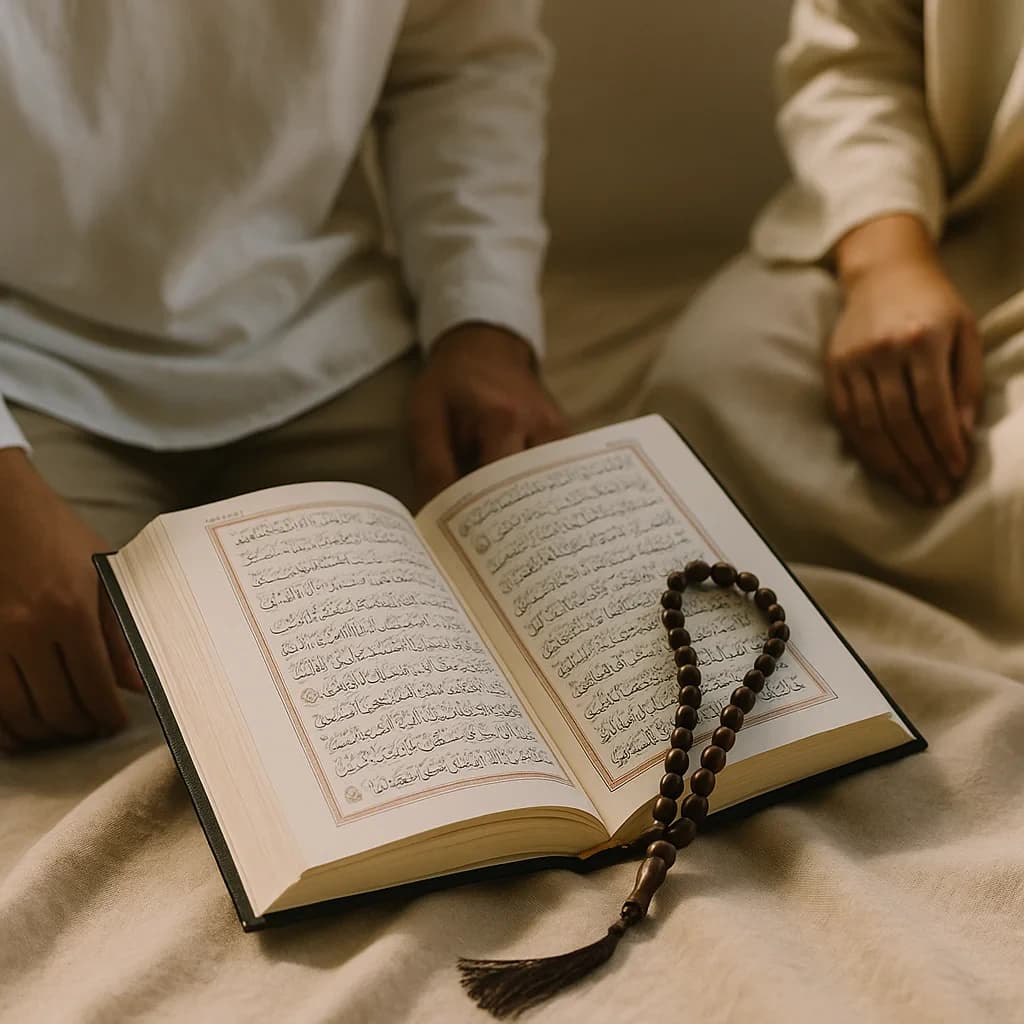
Adab of Marriage in Islam: Foundations for Lasting Bonds
Modern Muslim marriage can often feel like a balancing act between tradition and contemporary pressures. Yet, the profound wisdom of Islamic teachings provides a framework that not only nurtures relationships but reinforces the sanctity of marriage as a divine covenant.
The adab of marriage in Islam refers to the moral and ethical conduct expected in a marital relationship, guided by Qur’an and the authentic Sunnah, encompassing respect, compassion, and fulfillment of mutual rights.
Key takeaway: Embracing the adab of marriage in Islam cultivates lasting love and respect, essential for nurturing a harmonious relationship.
Respectful Foundations: The Importance of Adab in Marriage
The foundation of any successful marriage lies in the adab observed by both partners. Respect and kindness should permeate every interaction, fostering an environment where both individuals feel valued. This mutual respect acts as the bedrock for a loving and enduring partnership, helping to navigate the complexities of life together.
Nikah: The Sacred Covenant and Its Manners
The nikah is not merely a ceremony; it symbolizes a sacred covenant between the couple. The Sunnah teaches us to approach this union with sincerity and gratitude. Couples should strive for a clear understanding of each other's rights and responsibilities. A simple yet heartfelt du’a before the ceremony can set a positive tone for the marriage.
Walima: Celebrating with Gratitude and Generosity
The walima is a gathering to celebrate the marriage, and it should reflect generosity and gratitude. The Prophet Muhammad (صلى الله عليه وسلم) emphasized the importance of sharing joy with the community. Inviting friends and family not only strengthens ties but also allows for collective blessings. Remember to share the meal with those in need, embodying the spirit of charity.
The Wedding Night: Nurturing Intimacy with Respect
The wedding night is a significant moment in the life of newlyweds. It should be approached with tenderness and understanding. Islamic teachings encourage couples to communicate openly about their expectations, ensuring that both partners feel comfortable. A gentle approach can help in building intimacy, fostering a bond that goes beyond physical connection.
Daily Manners: Fostering Love and Understanding
Each day of marriage is an opportunity to practice good manners. Small acts of kindness can have a profound impact on the relationship. Couples should engage in active listening, validating each other's feelings and thoughts. Regular expressions of affection, both verbal and physical, keep the love alive.
Rights and Responsibilities: Balancing Expectations
Understanding the rights and responsibilities in a marriage is crucial for harmony. Both partners should be aware of their obligations and work towards fulfilling them. This balance helps prevent misunderstandings and resentment. Engage in regular discussions to ensure that both feel heard and appreciated.
Involving Families: Building Community Through Marriage
The role of families in a marriage cannot be understated. They provide support and guidance, acting as a safety net for the couple. Involve family members in the journey to foster a sense of community. The transition into marriage is smoother when families are included, often providing wisdom and support rooted in tradition.
Practical Do's and Don'ts for a Harmonious Relationship
- Do: Communicate openly about feelings and expectations.
- Do: Practice patience and understanding during conflicts.
- Do: Express gratitude regularly to reinforce love.
- Don’t: Resort to harsh words during disagreements.
- Don’t: Ignore each other’s emotional needs.
- Don’t: Let outside influences disrupt your unity.
Through the lens of the Qur’an and Sunnah, the adab of marriage in Islam invites couples to cultivate respect, understanding, and love. As you embark on this beautiful journey, remember that the teachings of your faith serve as a guiding light, illuminating the path to a fulfilling partnership. For further insights into strengthening these bonds, consider exploring The Art of Communicating Love on GoodSpouse.
Related reading
- Stop Guessing: A Checklist for Halal Marriage Apps
- Navigating Modern Challenges in Muslim Marriages: Balancing
Common questions Muslims ask
What is the significance of adab in marriage?
Adab in marriage emphasizes respect, kindness, and understanding, reinforcing the moral conduct that strengthens the marital bond according to Qur’an and Sunnah.
How should the nikah ceremony be conducted?
The nikah should be conducted with sincerity, clear intentions, and the presence of witnesses, reflecting the seriousness and sanctity of the marital commitment.
What are the essential rights of spouses in Islam?
Spouses have mutual rights that include respect, companionship, kindness, and support, fostering a balanced and loving relationship as emphasized in Islamic teachings.
How can families support a newly married couple?
Families can provide emotional support, guidance, and encouragement, creating an environment that nurtures the couple’s growth and responsibilities in their new life together.
Next step: create a sincere profile on GoodSpouse and involve your family early.
Labarai masu alaka

Fasahar Bayyana Soyayya Da Kauna A Aure: Islami
Sana'ar Bayyana Soyayya da Kauna A Aure: Halayen Addinin Musulunci Aure A Musulunci, alaka ce mai tsarki da ake raya ta ta hanyar soyayya, tausayi da fahimta. Yadda muke baje kolin...
Kewaya Harsunan Soyayya A Aure Musulmi: Fahimta
Kewaya Harsunan Soyayya A Cikin Aure Musulmi: Fahimta Da Bayyana Soyayya A Musulunci A Musulunci, nuna soyayya da kauna a cikin auratayya na da matukar kwarin gwiwa domin karfafa dankon zumunci...
Gabatar da Haɗin Zuciya a Aure: Haɓaka Int
Gabatar da Haɗin Zuciya a Aure: Haɓaka Zumunci da Fahimta a Musulunci Aure haɗin gwiwa ne mai tsarki a Musulunci, haɗin kai bisa soyayya, jinƙai, da tausayi. Yayin da jan hankalin jiki...

Kewaya Kalubale na Zamani don Kula da Soyayya da Soyayya
Kewaya Kalubalen Zamani Wajen Tsare Soyayya Da Soyayya A Cikin Aure Musulmi Aure abu ne mai alfarma a Musulunci, kuma ana ganinsa a matsayin wani muhimmin bangare na rayuwa mai cike da daidaito da daidaito ga dukkan...
Ƙarfin Sadarwar Ƙarfafa Dangantakar Aure: T
Ƙarfin Sadarwar Ƙarfafa Dangantakar Aure: Nasiha don Ƙarfafa Zumunci da Fahimtar Zumunci a Alakar Musulmi Aure abu ne mai tsarki a Musulunci, haɗin gwiwa da aka gina akan soyayya, girmamawa...