
Éviter l'extravagance dans les mariages musulmans : étapes simples pour 2026
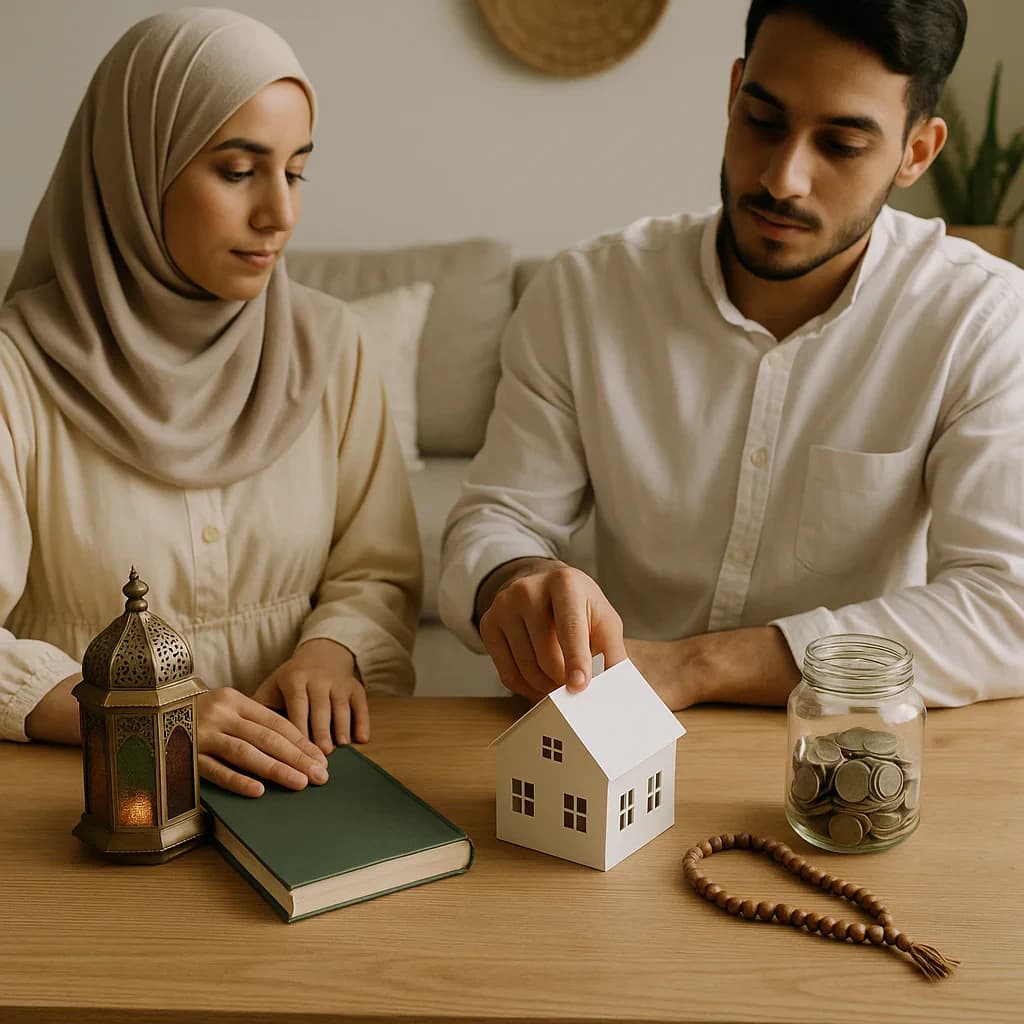
Avoiding Extravagance in Muslim Weddings: Simple Steps for 2026
Avoiding extravagance in Muslim weddings involves celebrating the union with modesty and simplicity, reflecting Islamic values and the teachings of the Qur'an and Sunnah.
The beauty of a wedding lies not in its lavishness but in the love and commitment shared between two individuals. Unfortunately, many couples feel pressured to create extravagant celebrations, often leading to financial strain and emotional stress. This guide emphasizes simplicity and modesty in Muslim weddings, rooted in the principles of Islam.
Key takeaway: Simplicity in weddings is a beautiful expression of Islamic values; embrace it for a meaningful celebration.
Step 1: Embrace the Sunnah of Simplicity
The Prophet Muhammad (peace be upon him) exemplified simplicity in all aspects of life, including weddings. Embracing the Sunnah means choosing a simple Islamic wedding that prioritizes faith over extravagance. Consider a modest venue and limited guest list, reflecting the essence of your union.
Step 2: Set a Realistic Budget
Creating a budget is fundamental. Reflect on your financial situation and decide how much you can allocate for your wedding. Remember that a wasteful wedding in Islam is discouraged. Setting clear financial boundaries helps avoid unnecessary stress.
Step 3: Involve Family in Planning
Family plays a crucial role in wedding planning. Involve them early on to gather insights and support. This collaborative approach nurtures unity among family members and reinforces the importance of community in Islamic traditions.
Step 4: Prioritize Meaningful Traditions
Focus on traditions that hold significance to you and your family. Instead of elaborate decorations or extravagant catering, consider meaningful rituals such as reading Qur'an verses, sharing personal stories, or involvement in charity. This way, you strengthen familial and community bonds while keeping your wedding simple and respectful.
Step 5: Focus on the Nikah Ceremony
The Nikah ceremony is the heart of the wedding. Ensure that this aspect remains the focal point. Conduct the ceremony in accordance with Islamic principles, which include the presence of witnesses and the bride’s consent. The beauty of this sacred union lies in its simplicity and adherence to Islamic laws.
Mistakes to Avoid When Planning Your Wedding
- Overindulging in luxury items that detract from the sanctity of the marriage.
- Ignoring Islamic teachings about moderation and simplicity.
- Neglecting the importance of family involvement, which can lead to misunderstandings.
- Falling prey to societal pressures and unrealistic expectations.
Checklist for a Simple and Meaningful Wedding
- Embrace the Sunnah by choosing modest options.
- Set and adhere to a realistic budget.
- Involve family members in planning discussions.
- Focus on traditions that carry personal significance.
- Prioritize the Nikah ceremony and its Islamic requirements.
- Keep the wedding guest list manageable and meaningful.
By following these steps, you can create a memorable and meaningful wedding that honors Islamic teachings while respecting your circumstances. Opting for modesty is not only an ethical choice but also a reflection of sincere intentions in your marriage.
Related reading
- What to Say and Do After Nikah Islam: Essential Practices
- A Calm, Halal Approach to GoodSpouse for Remarriage
Frequently Asked Questions
What does avoiding extravagance in weddings mean in Islam?
Avoiding extravagance in weddings in Islam means planning ceremonies that prioritize simplicity and modesty, aligning with the teachings of the Quran and Sunnah. It emphasizes celebrating love and commitment over lavish spending.
How can I plan a simple Islamic wedding?
To plan a simple Islamic wedding, start by embracing the Sunnah of simplicity, setting a realistic budget, involving family in planning, and focusing on the essence of the nikah ceremony without excess.
What are common mistakes in wedding planning?
Common mistakes in wedding planning include over-spending on non-essential items, neglecting the spiritual significance of the nikah, and losing sight of the couple’s true intentions for their marriage.
Why is family involvement important in weddings?
Family involvement in weddings is crucial as it fosters community, upholds cultural values, and enriches the celebration with shared love and support, embodying the spirit of unity in the marriage.
Next step: create a sincere profile on GoodSpouse and involve your family early.
Articles connexes
GoodSpouse est-il gratuit ? Découvrez des avantages uniques par rapport aux applications occasionnelles
Découvrez si GoodSpouse est gratuit et apprenez-en plus sur ses avantages uniques pour les musulmans sérieux. Découvrez comment il se compare aux applications de rencontres occasionnelles aujourd'hui !

Ce qu'il faut savoir : GoodSpouse vs Muzz pour un mariage sérieux
Explorez GoodSpouse vs Muzz et trouvez la meilleure alternative halal pour un mariage musulman sérieux. Découvrez comment choisir judicieusement votre prochaine étape.
Mariage musulman sans bavardage haram : étapes simples pour 2026
Découvrez comment diffuser des messages musulmans respectueux sans bavarder de manière haram. Assurez l'avenir de votre enfant avec des intentions sincères dans le mariage musulman.
Naviguer dans votre Nikah : le rôle du Wali dans le mariage musulman
Découvrez l'importance du wali dans le mariage musulman. Apprenez à impliquer la famille et demandez l’approbation du wali en ligne pour un nikah harmonieux.
De l’intention au Nikah : comment trouver un conjoint en Islam
Découvrez des vérités essentielles sur la façon de trouver un conjoint en Islam tout en évitant les mythes courants. Équipez-vous d’étapes et d’informations pratiques.