
Navigating Intercultural Marriages: Balancing Traditions and...
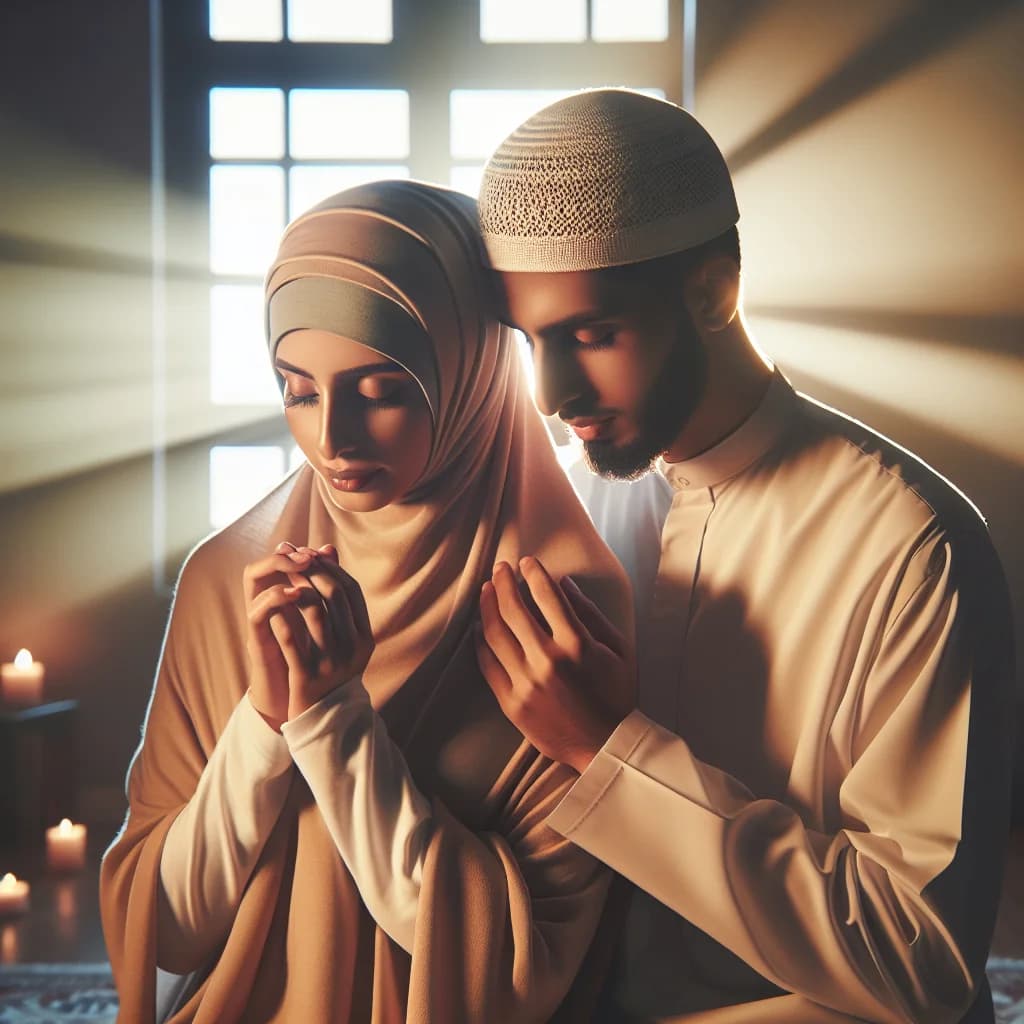
Navigating Intercultural Marriages: Balancing Traditions and Faith
Marriage is a sacred bond in Islam that brings two individuals together in a lifelong commitment to love, honor, and support each other. However, when two people from different cultural backgrounds choose to join in matrimony, they embark on a unique journey filled with both challenges and blessings. Navigating an intercultural marriage requires a delicate balance of upholding traditions while staying true to one's faith.
For Muslims, faith is the cornerstone of their lives and relationships. It guides their actions, beliefs, and values. When entering into an intercultural marriage, it is essential to ensure that both partners understand and respect each other's religious beliefs and practices. Communication is key in addressing any potential conflicts that may arise due to differing cultural norms or traditions. By openly discussing and negotiating these differences, couples can create a harmonious environment built on mutual understanding and respect.
One of the most common challenges faced in intercultural marriages is the clash of traditional customs and practices. Each culture has its unique way of celebrating milestones, handling conflicts, and interacting with extended family members. It is important for couples to find a middle ground where they can incorporate elements from both cultures into their married life. By embracing the diversity that each partner brings, they can create a rich tapestry of traditions that strengthens their bond and enriches their life together.
Islam encourages marrying within the faith, as compatibility in religious beliefs plays a crucial role in the success of a marriage. However, when love transcends cultural boundaries, it is possible to marry someone from a different background while maintaining one's Islamic identity. In such cases, it is vital for both partners to practice their faith sincerely and support each other in their spiritual journey. By prioritizing their relationship with Allah and upholding the principles of Islam, intercultural couples can find common ground and build a resilient marriage based on shared values.
Respecting each other's cultural heritage is essential in an intercultural marriage. It is a way of acknowledging and honoring the differences that make each partner unique. By learning about and participating in each other's cultural practices, couples can deepen their connection and foster a sense of unity despite their diverse backgrounds. Celebrating festivals, preparing traditional meals, and engaging in cultural activities together can create lasting memories and strengthen the bonds of love and understanding.
At times, family members and friends may have reservations or concerns about intercultural marriages. It is crucial for couples to address these apprehensions with empathy and patience. By involving both families in the wedding planning process and seeking their blessings and support, couples can help bridge the cultural divide and foster acceptance and unity within their extended families. Building strong relationships with in-laws and relatives from different cultural backgrounds requires humility, open-mindedness, and a willingness to learn and adapt.
In conclusion, navigating an intercultural marriage requires a delicate balance of upholding traditions and staying true to one's faith. By prioritizing open communication, mutual respect, and a shared commitment to Islam, intercultural couples can build a strong and enduring relationship that transcends cultural boundaries. Embracing cultural diversity, celebrating traditions, and seeking common ground are essential steps in creating a harmonious and thriving marriage that honors both partners' heritage and beliefs.
To find a righteous partner, install the Good Spouse app: http://goodspouse.com/go/en.
Install the Good Spouse app: ⬇️⬇️⬇️⬇️⬇️
مقالات مرتبط
Embracing Love Languages in Marriage: Enhancing Connection a...
Embracing Love Languages in Marriage: Enhancing Connection and Communication in Islam Embracing Love Languages in Marriage: Enhancing Connection and Communication in Islam In Islam, marriage...
Navigating Social Media & Virtual Courtship in the Search fo...
Navigating Social Media & Virtual Courtship in the Search for a Righteous Spouse In this digital age, social media has become an integral part of our lives, shaping how we communicate, interact, and...
The Importance of Emotional Intelligence in Building a Stron...
The Importance of Emotional Intelligence in Building a Strong Muslim Marriage Marriage is a sacred union in Islam that brings two individuals together in a bond of love, respect, and partnership. In...