
Kavatsusest Nikahile: kuidas leida abikaasa islamis
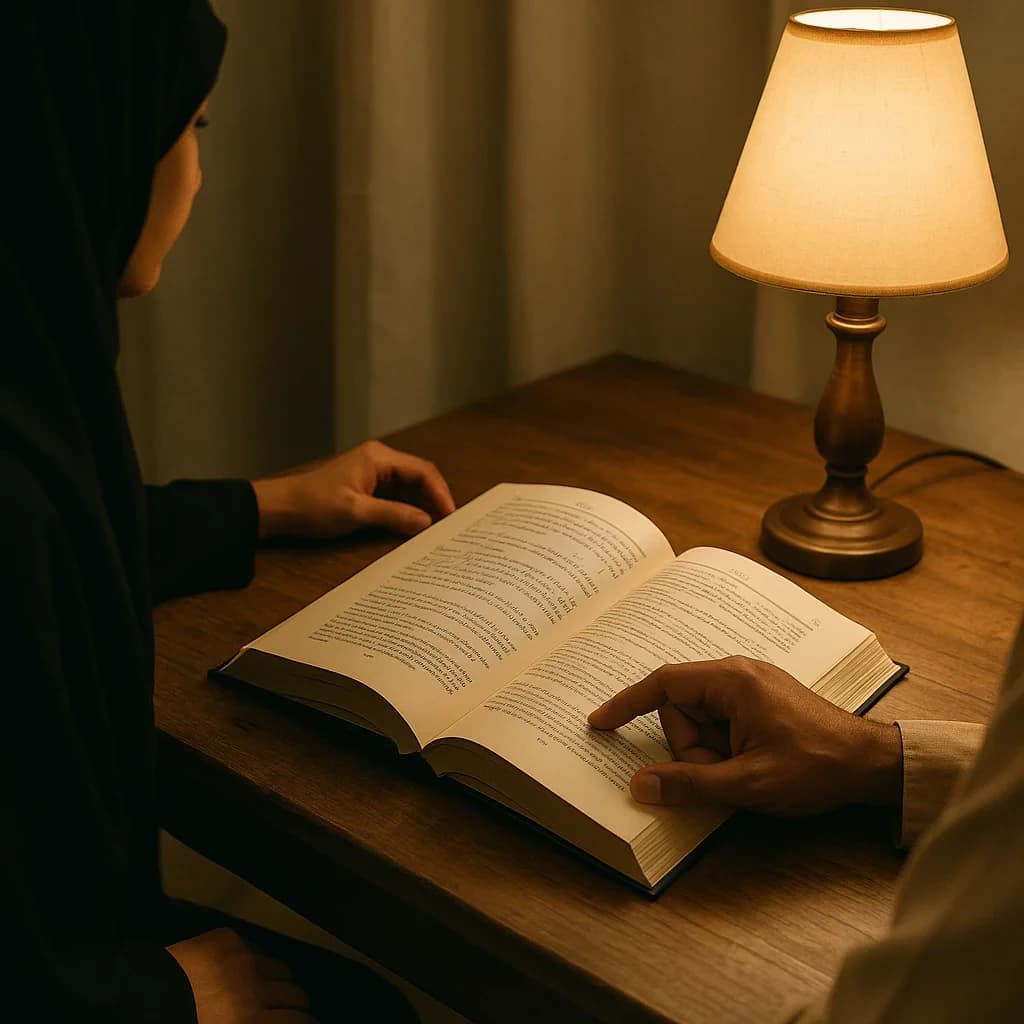
From Intention to Nikah: How to Find a Spouse in Islam
Many believe that love is the only thing that matters in marriage, but this isn't the complete picture. Understanding the Islamic process of finding a spouse involves much deeper principles and values.
Finding a spouse in Islam involves seeking a lifelong partner in accordance with Islamic values, emphasizing intention, character, and shared faith.
Key takeaway: Navigating the path to marriage requires both intention and informed choices, turning myths into knowledge.
Why Myths Surround Finding a Spouse in Islam
Myths often arise from cultural practices, misunderstandings, or misrepresentations of Islamic teachings. These misconceptions can lead to ineffective approaches when guiding young adults in their search for a halal spouse. It's crucial to distinguish between myth and fact for a successful marital journey.
Myth: Marriage is solely about attraction and love
Fact: Marriage in Islam is a sacred commitment beyond feelings. While attraction can play a role, the foundation of a marriage should be built on mutual respect, shared faith, and a commitment to fulfilling each other's rights and responsibilities.
Myth: You can freely date before marriage
Fact: Dating is not an Islamic practice; engagement is different. Islam encourages formal courtship that respects boundaries. The focus should be on serious intentions rather than casual encounters. Engaging with potential partners in a family-oriented context aligns more with Islamic values.
Myth: Parents should have no say in finding a spouse
Fact: Parental guidance is valued for ensuring a righteous match. Involving parents can provide wisdom and experience, helping to discern the character and faith of potential partners. Their perspective can be crucial in making informed decisions.
Myth: Financial security is the only priority
Fact: Piety and character should come first in partner choice. While financial stability is important, the qualities of a good spouse in Islam, such as kindness, integrity, and shared values, play a pivotal role in a successful marriage. A rich character can outweigh material wealth.
Myth: Good matches are purely by chance
Fact: Seeking a spouse with intention and effort is encouraged. It is not about leaving things to fate; rather, it involves actively looking for a partner who aligns with Islamic values and is compatible with your family and personal aspirations. Effort should be complemented with dua (supplication) for guidance.
What to Do Instead: Practical Steps for Finding a Spouse
- Encourage open communication: Discuss marriage expectations and values within the family.
- Utilize community resources: Engage with local mosques or Islamic centers that may assist in connecting with potential spouses.
- Consider the halal options: Use reputable platforms, like GoodSpouse, designed to connect individuals based on Islamic principles.
- Focus on character: When evaluating potential partners, prioritize qualities such as piety, kindness, and respect.
- Make dua: Involve prayer in your search, seeking Allah’s guidance in choosing the right partner.
By dispelling these myths and grounding your approach in Islamic teachings, you can better guide your children on their journey toward finding a righteous spouse. Remember that marriage, in Islam, is not just a contract between two individuals but a sacred bond that thrives on mutual respect and shared values.
Related reading
Frequently Asked Questions
How should I start looking for a spouse in Islam?
Begin with sincere intention for marriage, seek advice from family, and utilize platforms like GoodSpouse to meet potential matches.
What qualities should I look for in a spouse according to Islam?
Focus on piety, character, compatibility, and shared values. Qualities such as kindness, patience, and faithfulness are highly recommended.
Is it acceptable to meet a potential spouse before marriage?
Yes, but it should be in the context of supervised meetings with intentions clarified, ensuring all interactions remain respectful and halal.
Can parents help in choosing a spouse?
Absolutely. Parental guidance is encouraged in Islam as they can provide wisdom and insights, ensuring a better match for their children.
Prefer a calmer, more private matrimony experience? Start on GoodSpouse with clear intentions.
Seotud artiklid
Kas moslemite veebiabielu on halal? Uurige kohe
Uurige, kas moslemite veebiabielu on halal. Siit saate teada islami reeglite ja selle kohta, kuidas GoodSpouse saab aidata teil juba täna sobivat partnerit leida.
Vältige neid vigu parima moslemiabielu rakendusega
Avastage, kuidas parim moslemite abielurakendus GoodSpouse seab tõsiste kavatsuste puhul esikohale siiruse ja privaatsuse. Alusta oma halal-reisi juba täna!

Abielu Adab islamis: püsivate võlakirjade alused
Tutvuge Koraani ja autentse Sunna kaudu islami abielu adabiga. Õppige olulisi kombeid, mis soodustavad armastust ja austust. GoodSpouse'iga saate rohkem teada.
Suhtlemise kunst: abielulise harmoonia suurendamine islamis
Suhtlemiskunst: Abieluharmoonia suurendamine islamis Suhtlemisel on islamis abieluharmoonia edendamisel oluline roll. Abikaasade vaheline tõhus suhtlemine on oluline...
Moodsa kurameerimisega navigeerimine: traditsioonide ja konkurentsi tasakaalustamine
Navigeerimine kaasaegses kurameerimises: traditsioonide ja ühilduvuse tasakaalustamine õige abikaasa leidmisel Kaasaegses maailmas on abikaasa leidmise protsess märkimisväärselt arenenud. Koos edenemisega...