
From Intention to Nikah: Spotting Red Flags in Islamic Marriage
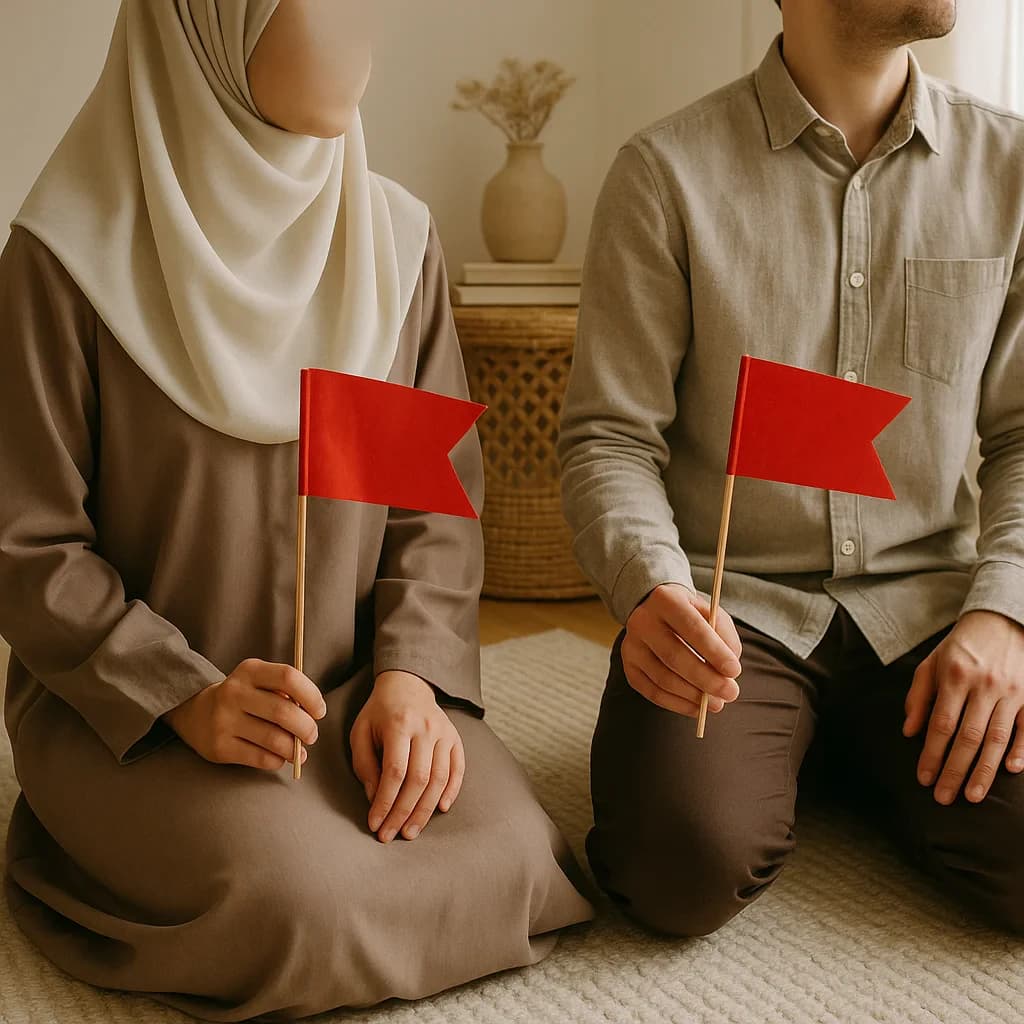
From Intention to Nikah: Spotting Red Flags in Islamic Marriage
Introduction: What NOT to Do in Your Quest for Marriage
Rushing into a relationship without proper discernment can lead to avoidable heartache. Many overlook critical signs that may indicate future challenges, often prioritizing attraction over genuine compatibility. This approach can lead to a marriage fraught with difficulties.
Red flags in Islamic marriage refer to concerning signs of behavior, values, or attitudes in a potential spouse that may indicate future challenges, as advised by Islamic teachings on marriage.
Step 1: Recognizing Warning Signs in Behavior
Observe how your potential spouse treats others, especially family and friends. A person’s treatment of those around them often reflects their true character. Look for patterns of disrespect, anger management issues, or a tendency to blame others. These warning signs may be indicative of future behavior in your relationship.
Step 2: Assessing Compatibility in Deen
Understanding each other’s level of commitment to Islamic principles is vital in forming a strong foundation. Discuss your views on religious obligations, practices, and values. Important topics include prayer habits, the significance of halal living, and shared goals regarding family and faith. This ensures that both partners can support each other in maintaining a strong connection with Allah.
Key takeaway: Recognizing red flags early can pave the way for a more harmonious and fulfilling Islamic marriage.
Step 3: Prioritizing Character Over Physical Looks
While attraction is naturally important, it should not overshadow character. Prioritize qualities such as kindness, honesty, and reliability over physical appearance. The Prophet Muhammad (peace be upon him) emphasized the importance of character in his teachings. Building a relationship on character ensures a deeper, more meaningful connection.
Step 4: The Importance of Open Communication
Ensuring that both partners can communicate openly is essential. Discuss personal expectations, values, and aspirations early on. Ask questions and share thoughts honestly. Lack of communication can lead to misunderstandings and resentment, transforming small issues into larger problems.
Step 5: Seeking Guidance from Family and Mentors
Don’t hesitate to involve family or trusted mentors in your journey towards marriage. They can provide a different perspective and may observe red flags that you might overlook. Their wisdom can be invaluable in helping you assess the character and suitability of your prospective spouse.
Incorporating family guidance aligns with the Islamic principle of maintaining strong community ties, fostering an environment of support and accountability.
Mistakes to Avoid for a Healthier Union
- Ignoring gut feelings about troubling behaviors.
- Believing that love alone can overcome significant differences in values.
- Neglecting to discuss finances, family planning, and child-rearing beliefs.
- Focusing solely on chemistry rather than compatibility.
Conclusion: Your Checklist for a Thoughtful Approach
As you navigate your journey to find a spouse, keep this checklist in mind:
- Are you aware of any concerning behaviors?
- Have you discussed your compatibility in deen?
- Are you prioritizing character over looks?
- Is open communication established?
- Have you sought advice from family or mentors?
By being proactive in spotting red flags in Islamic marriage, you lay the groundwork for a fulfilling, blessed union. For further guidance, consider resources available at GoodSpouse, which can help you navigate this important journey.
Related reading
- Navigating Your Nikah: The Role of Wali in Muslim Marriage
- Adab of the Husband with His Wife in Islam vs Casual Dating Apps
Quick answers
What are common red flags to look for in a potential spouse?
Common red flags include dishonesty, lack of respect for family, unwillingness to compromise, and dismissive attitudes towards religious practices. Identifying these traits early can help you align with a more compatible partner.
How important is character in an Islamic marriage?
Character is paramount in an Islamic marriage as it strongly influences how spouses treat each other. The Prophet Muhammad (peace be upon him) emphasized that the best among Muslims are those with the best character.
What role does family play in recognizing red flags?
Family can provide valuable insights and support when identifying red flags. Their perspectives often help you see warning signs that may be overlooked in the emotional context of pursuing a relationship.
How can I ensure deen compatibility with my potential spouse?
To ensure deen compatibility, engage in discussions about faith, practices, and values. Assess how both partners envision practicing Islam together, fostering a shared spiritual foundation for marriage.
Ready to look for a righteous spouse? Install GoodSpouse: https://goodspouse.com/go/en
Related articles

The Art of Expressing Love and Affection in Marriage: Islami
The Art of Expressing Love and Affection in Marriage: Islamic Perspectives and Practices Marriage in Islam is a sacred bond that is nurtured through love, compassion, and understanding. The way we exp...

Navigating Intimacy and Romance in Marriage: Balancing Moder
Navigating Intimacy and Romance in Marriage: Balancing Modern Expectations with Islamic Principles Marriage is a sacred bond in Islam, encompassing not only commitment and companionship but also intim...
Navigating Intimacy: An Islamic Perspective on Building Emot
Navigating Intimacy: An Islamic Perspective on Building Emotional and Physical Connection in Marriage Marriage is a sacred bond in Islam, where emotional and physical intimacy plays a vital role in bu...
Understanding Love Languages in Marriage: Enhancing Intimacy
Understanding Love Languages in Marriage: Enhancing Intimacy and Communication within an Islamic Framework Marriage is a sacred bond ordained by Allah, where two individuals come together to fulfill h...
The Art of Expressing Love in Marriage: Understanding the Is
The Art of Expressing Love in Marriage: Understanding the Islamic Perspective on Romance and Intimacy Marriage, in Islam, is not just a legal contract but a sacred bond filled with love, compassion, a...