
Exploring Love Languages in Marriage: Strengthening Emotional Bonds in Islam
In Islam, marriage is considered a sacred bond that not only unites two individuals but also serves as a means of spiritual growth and companionship. One of the key aspects of a successful marriage is understanding and fulfilling each other's emotional needs. Just as we strive to strengthen our physical and financial bonds in marriage, it is equally important to nurture our emotional connection with our spouse.
One valuable concept that can help couples strengthen their emotional bonds is the theory of Love Languages, as popularized by Dr. Gary Chapman. According to this theory, individuals have different ways of expressing and receiving love. By identifying and understanding our own love language as well as our spouse's, we can communicate love more effectively and deepen our emotional connection.
There are five main love languages identified in the theory:
1. Words of Affirmation: Some individuals feel most loved when they receive verbal expressions of appreciation, encouragement, and compliments from their spouse.
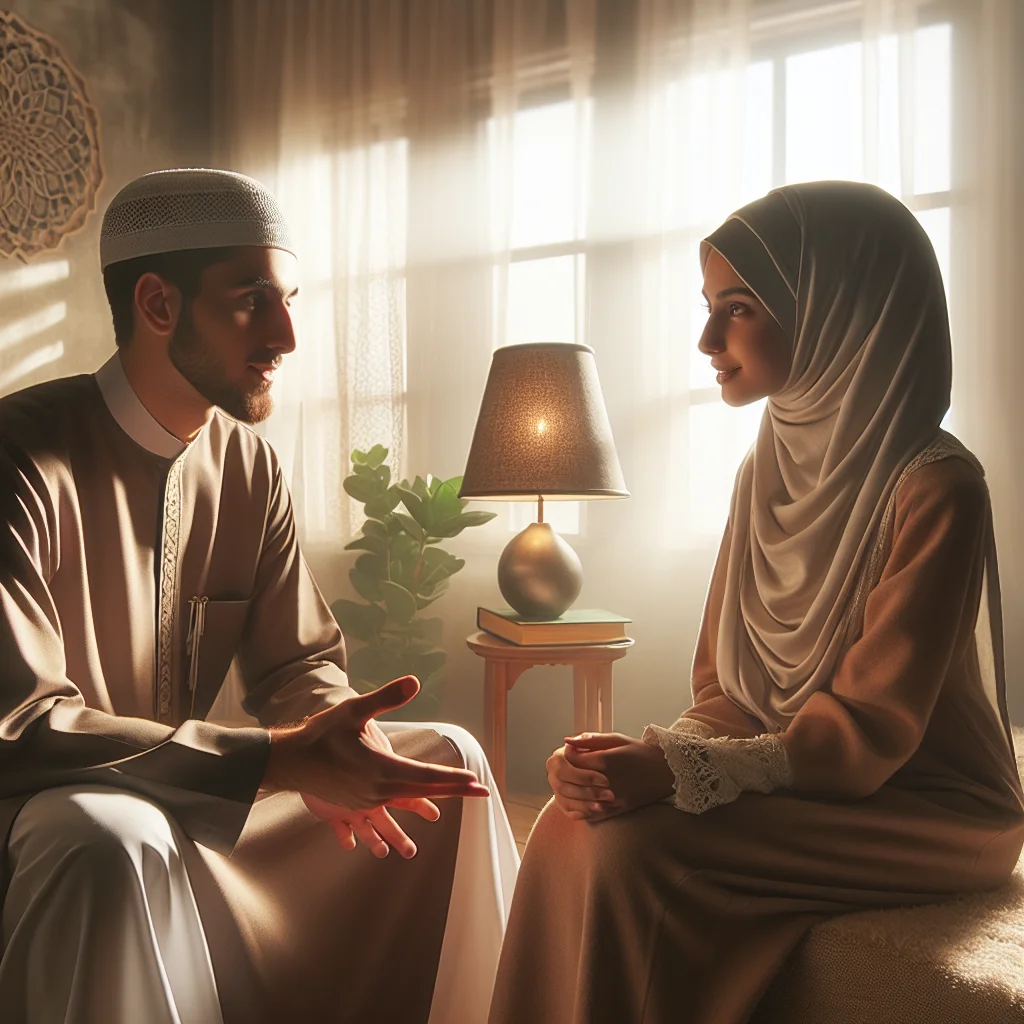
2. Quality Time: For others, spending quality time together is the most meaningful way to connect emotionally. This could involve engaging in shared activities, having deep conversations, or simply being present with each other.
3. Acts of Service: Certain individuals feel loved when their spouse performs acts of service for them, such as doing chores, running errands, or helping out in practical ways.
4. Physical Touch: Physical touch, including hugs, kisses, holding hands, and other forms of affection, is the primary love language for some individuals.
5. Receiving Gifts: For others, receiving thoughtful gifts, no matter how big or small, is a powerful way to feel loved and appreciated.
Understanding your spouse's love language and actively incorporating it into your interactions can significantly enhance your emotional connection. By expressing love in ways that resonate with your spouse's heart, you show them that you care deeply about their feelings and well-being.
In Islam, the Prophet Muhammad (peace be upon him) set a beautiful example of expressing love and affection towards his family members and companions. He would often praise them, spend quality time with them, offer acts of service, and show physical affection. Following his Sunnah can guide us in nurturing a loving and emotionally fulfilling marriage.
Furthermore, the Quran emphasizes the importance of kindness, compassion, and understanding in marital relationships. Allah SWT says, "And among His signs is that He created for you from yourselves mates that you may find tranquility in them, and He placed between you affection and mercy. Indeed, in that are signs for a people who give thought" (Quran 30:21).
By actively exploring and understanding each other's love languages, Muslim couples can strengthen their emotional bonds, foster love and harmony in their marriage, and ultimately seek the pleasure of Allah by fulfilling their duties towards each other.
Remember, every individual is unique, and what works for one couple may not work for another. It is essential to communicate openly, listen attentively, and make consistent efforts to show love and appreciation in ways that resonate with your spouse's heart.
May Allah bless our marriages and grant us the wisdom to nurture strong emotional bonds with our spouses. Ameen.
For more tips on strengthening your marital bond and understanding love languages, follow Good Spouse on social media and visit their website at http://goodspouse.com/go/en.
Install the Good Spouse app: ⬇️⬇️⬇️⬇️⬇️