
Embracing Diversity in Muslim Marriages: Navigating Cultural
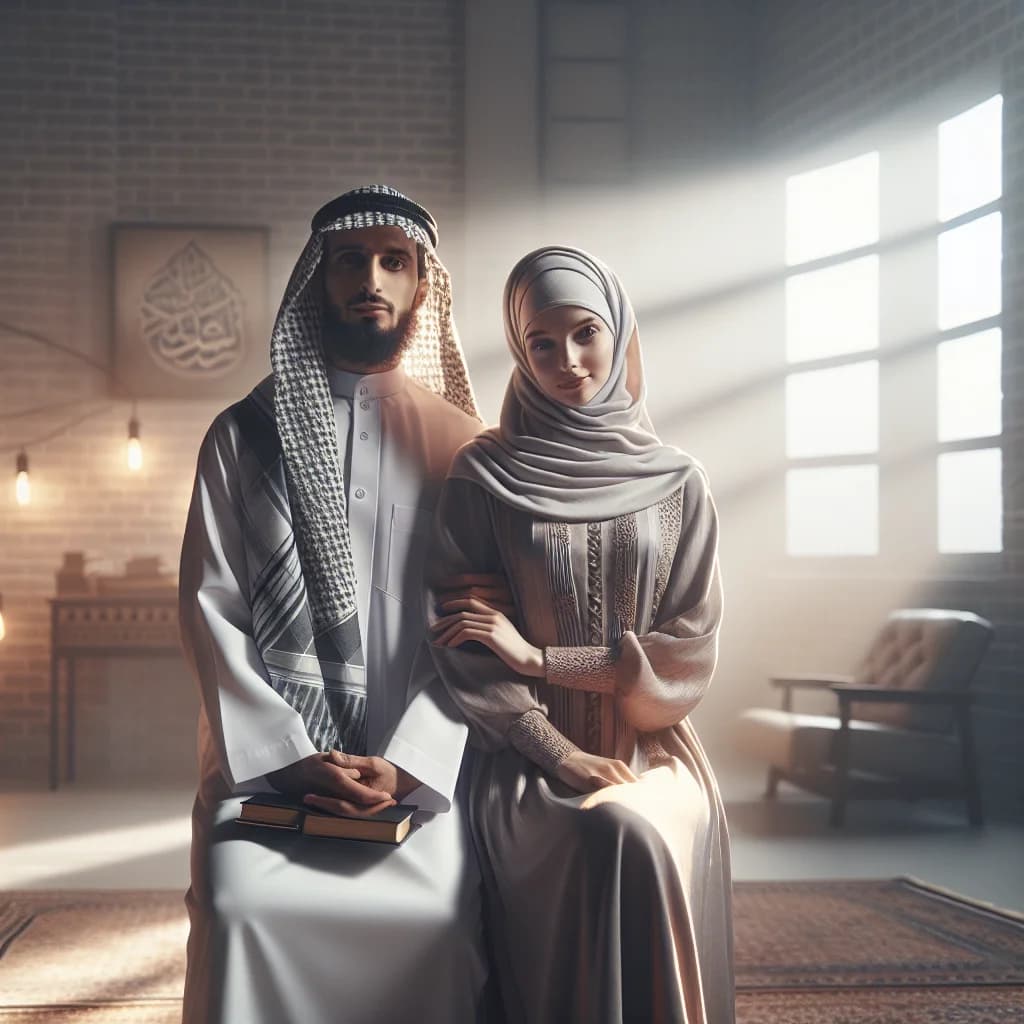
Embracing Diversity in Muslim Marriages: Navigating Cultural Differences for a Strong and Harmonious Relationship
Marriage in Islam is a sacred bond that brings two individuals together in a union that is meant to be filled with love, understanding, and compassion. In the modern world, Muslim marriages often bring together individuals from diverse cultural backgrounds, each bringing their own unique traditions, beliefs, and customs to the relationship. While this diversity can enrich the marriage experience, it can also pose challenges if not navigated with care and understanding.
One of the key aspects of a successful Muslim marriage is the ability to embrace and celebrate the differences that each partner brings to the relationship. Rather than seeing cultural disparities as obstacles, couples can view them as opportunities for growth and learning. By being open-minded and respectful of each other's backgrounds, spouses can create a strong and harmonious bond that is built on acceptance and mutual respect.
Communication is essential in navigating cultural differences within a Muslim marriage. Couples should openly discuss their cultural norms, traditions, and expectations to ensure that both partners feel understood and valued. By engaging in honest and respectful conversations, couples can bridge the gap between their cultural differences and find common ground that strengthens their relationship.
It is also important for couples to educate themselves about each other's cultures. By learning about their partner's traditions, values, and beliefs, spouses can gain a deeper understanding of where their partner is coming from. This knowledge can help foster empathy and compassion, creating a more inclusive and understanding marriage environment.
Furthermore, seeking the guidance of knowledgeable individuals, such as elders or religious leaders, can provide couples with valuable insights on how to navigate cultural differences in a Muslim marriage. These wise mentors can offer advice on how to respect each other's cultures while staying true to Islamic principles, ultimately helping couples build a strong and united partnership.
Patience and compromise are essential in overcoming cultural challenges within a Muslim marriage. It is important for spouses to be willing to compromise and make adjustments to accommodate each other's cultural practices and beliefs. By approaching cultural differences with an open heart and a willingness to adapt, couples can create a marriage that is inclusive and understanding of each other's backgrounds.
In conclusion, embracing diversity in Muslim marriages is a beautiful journey that can lead to a strong and harmonious relationship. By celebrating each other's differences, communicating openly, educating themselves about each other's cultures, seeking guidance from wise mentors, and practicing patience and compromise, couples can build a marriage that is grounded in love, respect, and understanding.
To find a righteous partner, install the Good Spouse app: http://goodspouse.com/go/en.
Related articles
Stop Guessing: Checklist for Preparing for Nikah According to the Sunn
Navigate your Nikah preparations with this Sunnah-inspired checklist. Embrace the right intentions and make your marriage a blessed journey. Start now!
Mistakes Muslims Make When Looking at Their Fiancée
Explore the adab of looking at your fiancée before marriage in Islam. Gain valuable insights for halal engagement viewing and improve your nikah intentions.
Looking at Your Fiancée Before Marriage in Islam
Explore the importance of looking at your fiancée before marriage in Islam, including practical adab from Qur’an and Sunnah for a halal engagement.