
Navigating Intercultural Marriages: Embracing Diversity in M...
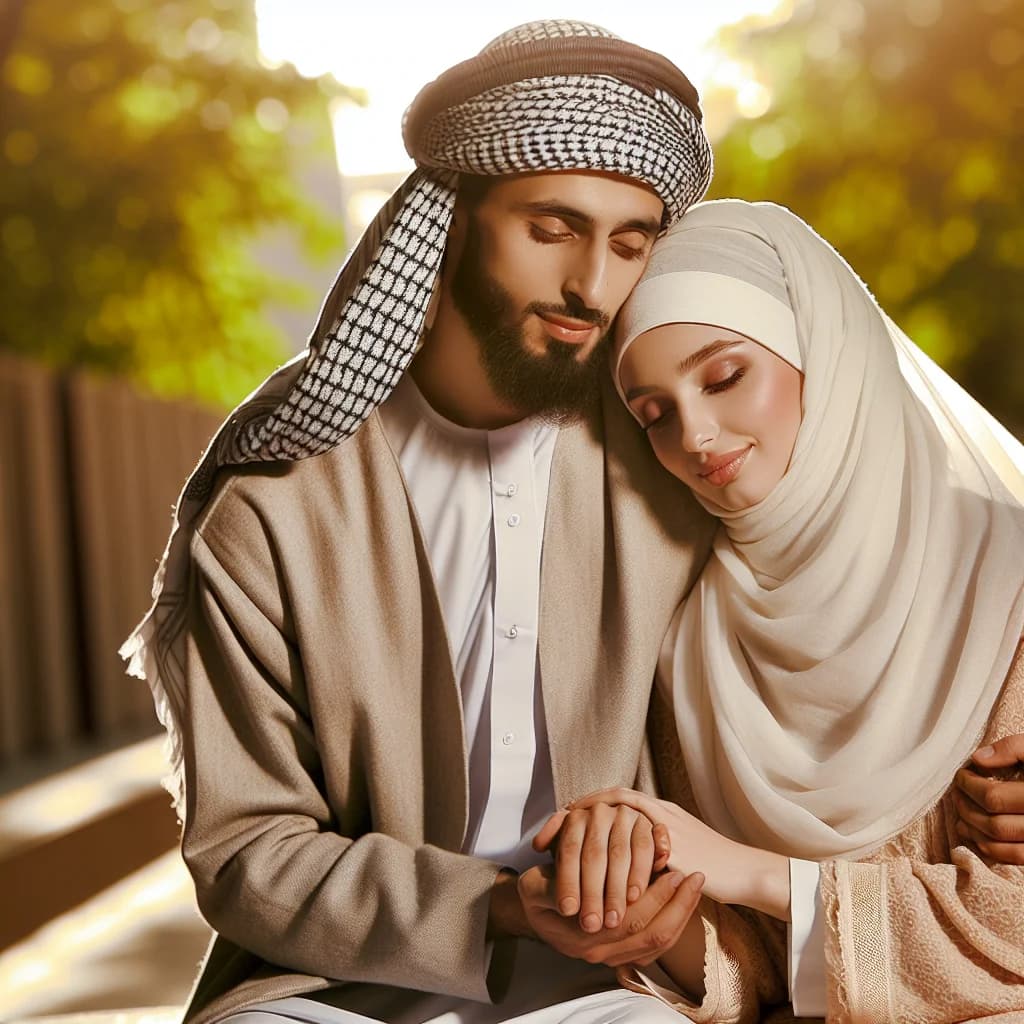
Navigating Intercultural Marriages: Embracing Diversity in Muslim Union
Marriage is a sacred bond that unites two individuals in love and commitment, and in Islam, it is considered a vital part of a fulfilling and righteous life. When it comes to marriage, compatibility is often emphasized, but in today's diverse world, many Muslims find themselves in intercultural marriages where cultural differences add an extra layer of complexity. However, instead of viewing these differences as obstacles, we can choose to embrace diversity in our Muslim unions.
Intercultural marriages bring together individuals from different backgrounds, traditions, and customs. While this can initially pose challenges, it also presents a beautiful opportunity for growth, learning, and understanding. Islam teaches us to appreciate diversity and to treat one another with kindness and compassion, regardless of our cultural backgrounds.
One of the key aspects of navigating intercultural marriages as Muslims is maintaining open communication and mutual respect. It is essential for couples to actively listen to each other's perspectives, beliefs, and values. By fostering an environment of understanding and empathy, couples can bridge the gap between their cultural differences and create a harmonious and respectful union.
Another important factor in intercultural marriages is the willingness to compromise and adapt. Each partner may have different ways of expressing love, communicating, or resolving conflicts based on their cultural upbringing. By being open to compromise and finding common ground, couples can navigate these differences and create a strong foundation for their marriage.
In Islam, diversity is seen as a sign of Allah's greatness and wisdom. The Quran reminds us, "O mankind, indeed We have created you from male and female and made you peoples and tribes that you may know one another" (Quran 49:13). This verse emphasizes the beauty of diversity and the importance of unity and understanding among different cultures and backgrounds.
Intercultural marriages also provide an opportunity for children to experience and appreciate diverse cultural heritages. By raising children in an environment that celebrates diversity, couples can instill in them a sense of openness, respect, and appreciation for different cultures and traditions.
Ultimately, navigating intercultural marriages as Muslims requires a commitment to love, understanding, and unity. By embracing diversity and celebrating the richness of different cultures, couples can create a marriage that is not only strong and enduring but also a reflection of the beauty of Islam's teachings.
As we embark on the journey of marriage, let us remember that diversity is a blessing from Allah and a source of strength for our relationships. By embracing and honoring each other's cultural backgrounds, we can build a marriage that is rooted in love, respect, and harmony.
May Allah bless all intercultural marriages and guide us to navigate them with wisdom, compassion, and a deep appreciation for the diversity that enriches our lives.
To find a righteous partner, install the Good Spouse app: http://goodspouse.com/go/en.
Install the Good Spouse app: ⬇️⬇️⬇️⬇️⬇️
Ähnliche Artikel
Navigating Intimate Communication in Muslim Marriages
Navigating Intimate Communication in Muslim Marriages Navigating Intimate Communication in Muslim Marriages: Building Emotional and Physical Intimacy with Respect and Understanding Intimacy p...
5 Tips for Navigating In-Law Relationships in a Modern Musli...
5 Tips for Navigating In-Law Relationships in a Modern Muslim Family 5 Tips for Navigating In-Law Relationships in a Modern Muslim Family In Islam, family plays a crucial role in shaping our li...
Nurturing Emotional Intimacy in Marriage: Practical Tips...
Nurturing Emotional Intimacy in Marriage: Practical Tips from Islamic Teaching Nurturing Emotional Intimacy in Marriage: Practical Tips from Islamic Teaching Marriage is a sacred bond betwe...