
Was Eltern zum Altersunterschied bei der islamischen Eheschließung fragen

What parents ask about age difference in islamic marriage
People assume that a successful nikah requires spouses to be born within a few years of each other. In reality, Islamic tradition places zero emphasis on chronological symmetry, prioritizing character, shared values, and emotional maturity instead.
Age difference in Islamic marriage refers to the chronological gap between spouses, which holds no fixed ruling in Sharia as long as mutual consent, maturity, and compatibility in faith are established.
When family matchmaking begins in Western diaspora communities, the topic of an age difference in islamic marriage frequently triggers anxiety. Parents worry about cultural stigma, peer judgment, and whether differing life stages will fracture daily communication. Yet, looking back at the earliest generations of believers, spousal age gaps were entirely normal and unremarkable. The focus rested squarely on deen, taqwa, and a mutual willingness to honor the mutual rights of husband and wife.
Beyond the Number: Redefining Readiness for Nikah
Chronology tells you how many orbits a person has made around the sun, but it reveals nothing about their emotional intelligence, accountability, or spiritual grounding. A younger person may possess a steady temperament and a deep grasp of responsibility, while an older individual might still struggle with conflict resolution. When evaluating compatibility for a sunnah-aligned marriage, look past the birth certificate.
The Prophetic Sunnah and Realistic Spousal Gaps
Prophetic precedent demonstrates that varying age gaps were practiced without societal friction. The primary concern was never the gap itself, but rather the character of the individuals and their ability to fulfill the objectives of family life. practical realities of marriage helps families separate cultural hangups from authentic religious guidance.
Assessing Life Stage Compatibility Over Chronology
While age is just a number, life stages are very real. Two people might have a ten-year gap, yet share identical goals regarding career, relocation, financial habits, and family planning. Conversely, two people born in the same year might sit at completely opposite ends of ambition and emotional development. Matchmaking discussions should focus on where each person stands today, rather than fixating on the mathematical difference between their birth years.
Key takeaway: Character and shared vision outweigh chronological numbers when evaluating a potential spouse for nikah.
Scripts for Discussing Age Gaps with Concerned Parents
Addressing parental hesitation requires patience and clear communication. If your family expresses worry about a spouse age gap islam permits, use structured language rooted in character evaluation:
- "We evaluated their emotional maturity and daily conduct, not just their birth year."
- "Our core values, religious practice, and long-term goals align completely, which matters far more than chronology."
- "The early generations did not restrict marriage to strict peer groups; character and deen were the primary filters."
Avoiding Cultural Pressure Points in Matchmaking
Diaspora communities often mix cultural expectations with religious rulings, creating artificial hurdles for young adults seeking a partner. Critics within extended families might raise eyebrows over a non-traditional rishta simply because it defies
Quick answers
Is a large age gap discouraged in Islamic marriage?
Sharia does not mandate a specific age gap. The primary considerations for a successful nikah are religious commitment, character, maturity, and genuine life-stage compatibility between both spouses.
How did early generations handle age gaps in marriage?
Early Muslim generations prioritized mutual suitability in deen and temperament over chronological age. Marriages varied widely in age differences, reflecting individual maturity and personal circumstances rather than rigid societal templates.
What should I ask a potential spouse with an age difference?
Focus on shared future goals, energy levels, communication styles, and family expectations. Ensure both parties share identical core values regarding faith and lifestyle despite generational differences.
How can I reassure parents worried about an age gap?
Acknowledge parental concern calmly. Present concrete examples of emotional maturity, shared religious values, and mutual life goals rather than relying on abstract arguments.
Explore GoodSpouse when you are ready for a sincere next step.
Ähnliche Artikel
Von der Absicht zum Nikah: Fragen, die vor einer muslimischen Ehe gestellt werden sollten
Meistern Sie ernsthafte Vorehe-Gespräche mit konkreten Fragen vor einer muslimischen Ehe und verankern Sie Ihre Kompatibilitätsprüfung im authentischen islamischen Adab.
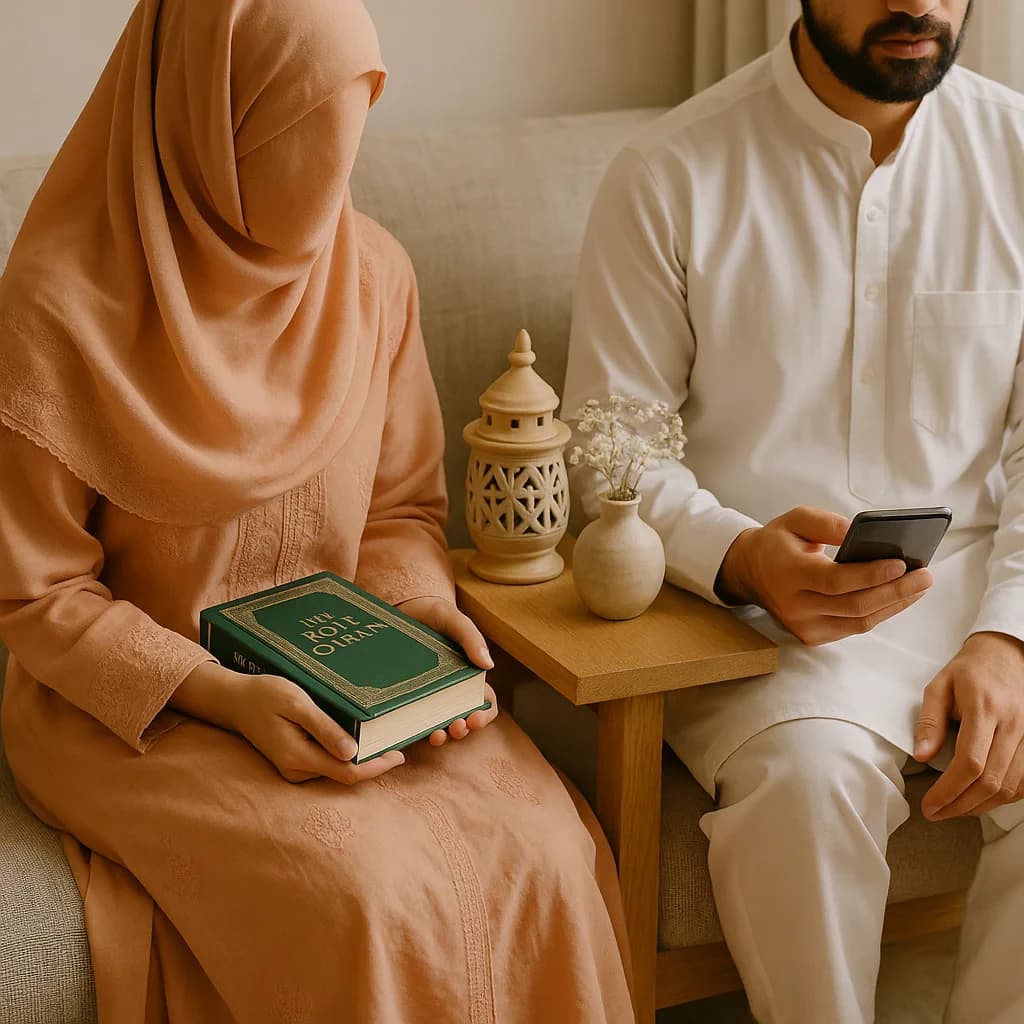
Muslimische Ehe in Pakistan vs. Casual-Dating-Apps: Die richtige Wahl
Entdecken Sie die Unterschiede zwischen muslimischer Ehe in Pakistan und Casual-Dating-Apps. Finden Sie noch heute Ihren halal Partner mit GoodSpouse!
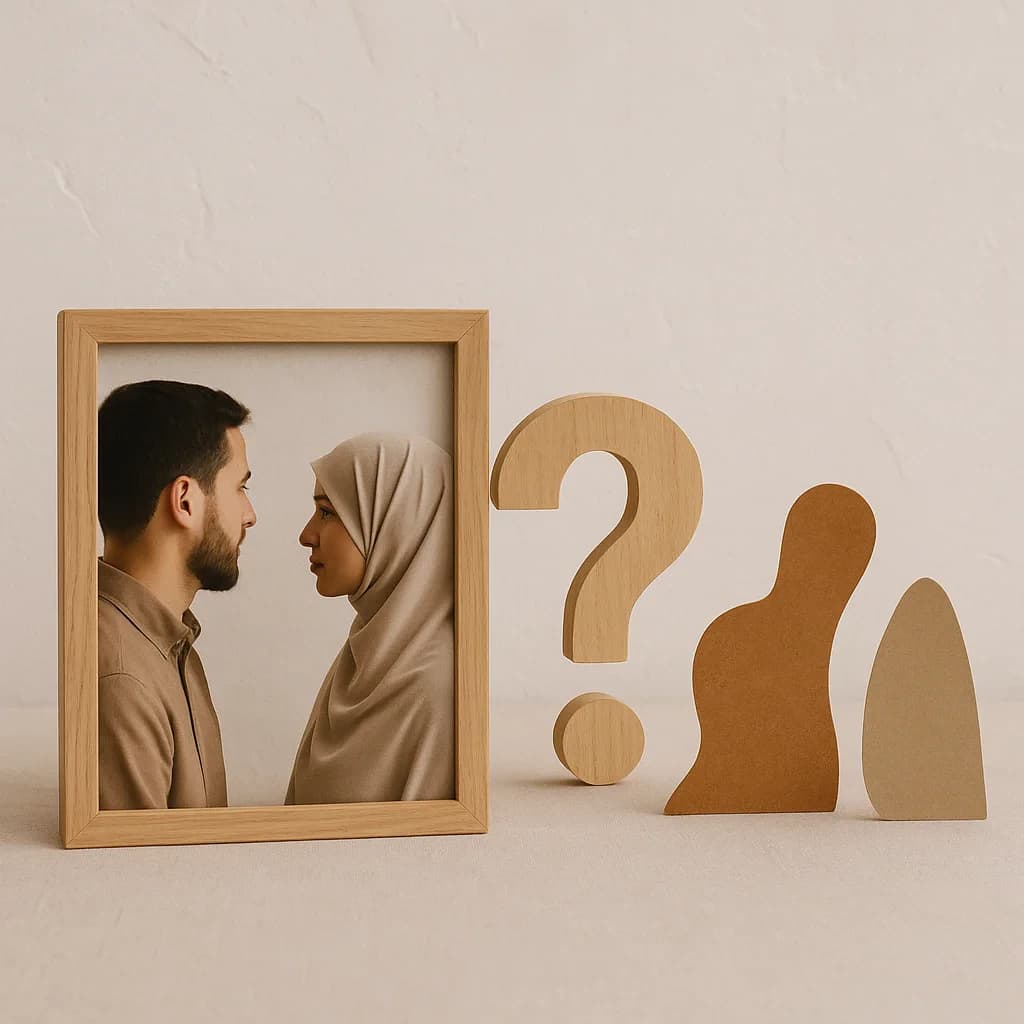
Wie man seine Verlobte vor der Ehe respektvoll betrachtet
Erkunde die authentische islamische Art, die Verlobte vor der Ehe zu betrachten. Entdecke praktische Adab, die im Qur'an und der Sunnah verwurzelt sind, für eine gesegnete Nikah.
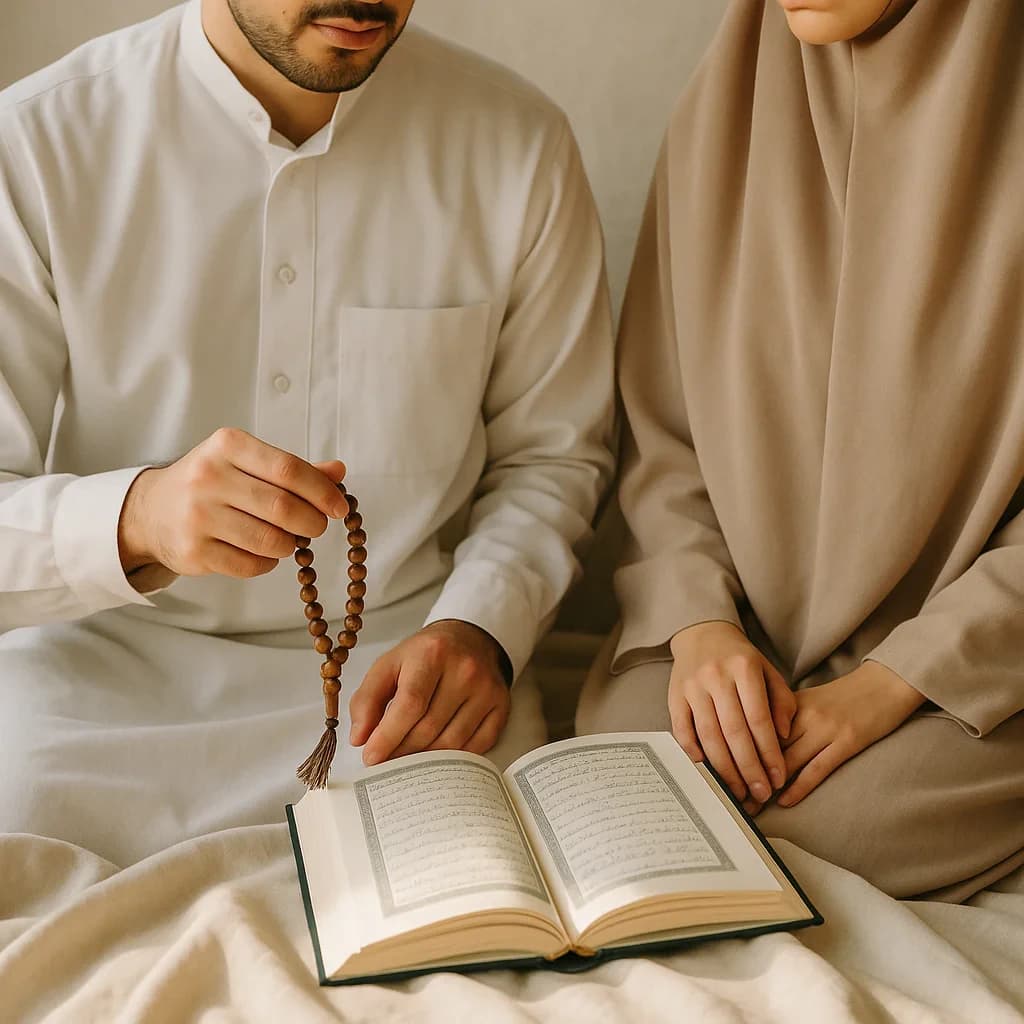
Wie man seine Verlobte vor der Ehe im Islam betrachtet
Entdecken Sie die islamischen Adab, wie man seine Verlobte vor der Ehe betrachtet. Erfahren Sie, wie Sie diesen wichtigen Schritt mit Respekt und Aufrichtigkeit angehen können.
9 praktische Realitäten der zweiten Ehe im Islam für Erwachsene
Navigieren Sie durch die islamische Anleitung zur zweiten Ehe mit Klarheit. Ehrlicher Rat für Geschiedene und Witwen, die eine helale Ehe mit Tawakkul und realistischer Adab suchen.