
What Parents Ask About Building a Strong Muslim Family
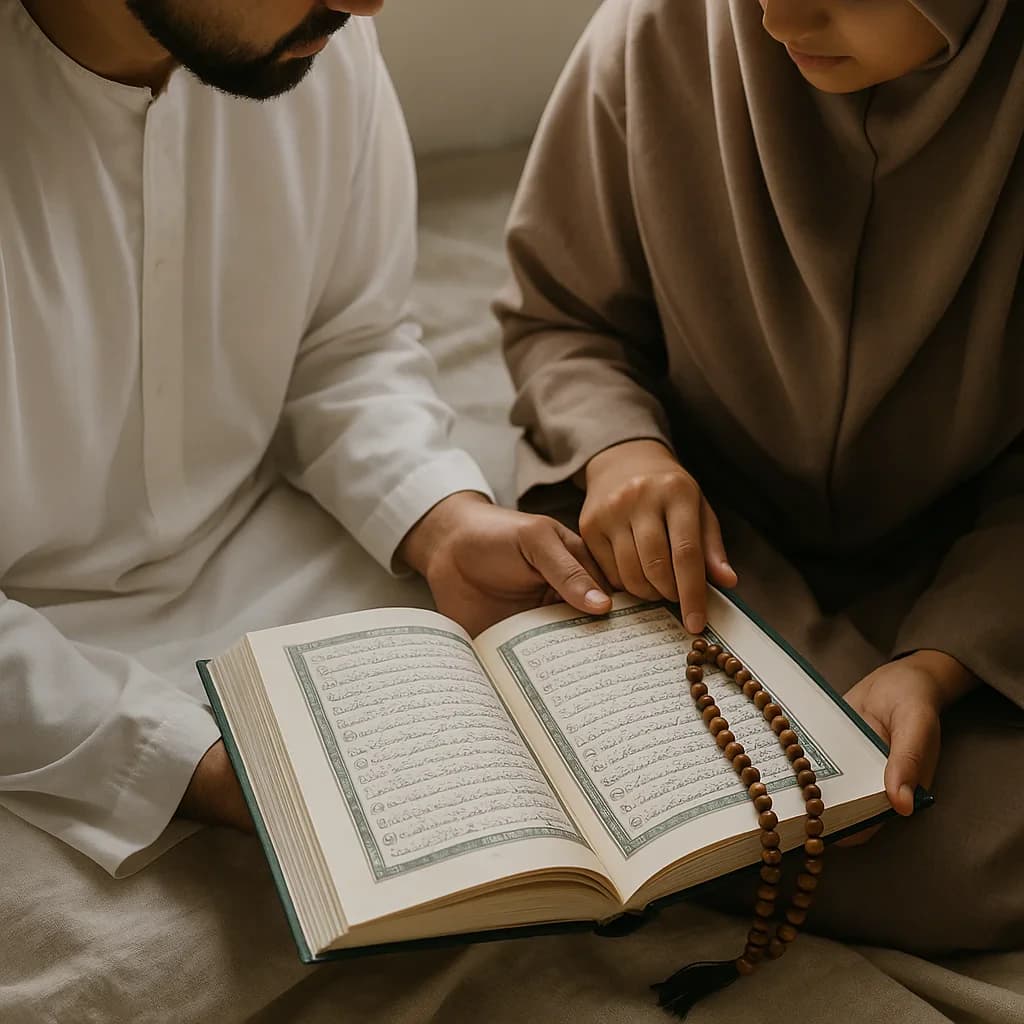
What Parents Ask About Building a Strong Muslim Family
Key takeaway: A strong Muslim family thrives on love, mutual respect, and an unwavering commitment to Islamic principles.
Building a strong Muslim family involves instilling core Islamic values, nurturing relationships based on love and respect, and ensuring a supportive environment for spiritual growth.
There's a common myth that strong families are a result of luck or perfect circumstances. In reality, the foundation of a robust and harmonious family is built on dedication, knowledge, and adherence to Islamic principles. Understanding how to build a strong Muslim family requires intentional effort and the application of values from the Qur’an and Sunnah.
Foundational Islamic Family Values from the Qur’an
The Qur’an emphasizes the importance of strong familial bonds through the concept of mercy and compassion. Allah says, “And among His signs is this, that He created for you mates from among yourselves, that you may dwell in tranquility with them.” (Qur’an 30:21). This verse underscores the essence of love and harmony in a household.
Daily Practices for Fostering a Peaceful Muslim Home
- Establish a routine of daily prayers together; it strengthens spiritual bonds.
- Share meals, as dining together fosters unity and communication.
- Engage in family discussions about daily experiences and Islamic teachings.
Raising Children with Deen: Key Principles and Actions
Raising children with deen requires both teaching and exemplifying Islamic values. Encourage them to engage in acts of kindness, patience, and gratitude. Constantly remind them about the importance of being respectful to their parents and elders, as stated in the Qur'an: “And We have enjoined upon man, [care] for his parents.” (Qur’an 29:8).
Do's and Don'ts for Nurturing a Loving Family Environment
- Do: Show affection regularly; hugs and words of kindness strengthen bonds.
- Do: Practice active listening; valuing each family member's opinion fosters trust.
- Don't: Engage in harsh criticism; it can demoralize and harm relationships.
- Don't: Ignore conflicts; address disagreements in a constructive manner.
Involving Extended Family in Your Children's Islamic Upbringing
Extended family plays a crucial role in reinforcing Islamic values. Organize family gatherings that focus on Islamic teachings, where children can learn from the experiences of grandparents and relatives. Involve them in your child’s growth by encouraging regular visits and shared prayers, creating a network of support.
Realistic Expectations: Balancing Hope with Tawakkul
While it’s vital to strive for a peaceful Muslim home, it’s equally important to maintain realistic expectations. Children will make mistakes; embrace these opportunities as moments for guidance and growth. Balancing effort with tawakkul (trust in Allah) helps parents remain grounded. Remember, as Allah says, “And whoever fears Allah – He will make for him a way out” (Qur’an 65:2).
Practical Checklist for Family Unity and Spiritual Growth
- Hold weekly family meetings to discuss spiritual goals and challenges.
- Encourage reading Qur’an together; it instills knowledge and unity.
- Incorporate Islamic stories during bedtime, helping children relate to teachings.
- Create a habit of gratitude; share what you are thankful for at the dinner table.
- Explore community service opportunities as a family to cultivate empathy.
For parents seeking additional resources to navigate these principles, consider exploring articles on constructing personal adab, such as essential steps for preparing for Nikah.
Building a strong Muslim family is a journey filled with challenges and joys. By embedding Islamic values into daily life, parents lay the groundwork for a peaceful, loving, and spiritually thriving household.
Related reading
- 7 Key Manners for Looking at Your Fiancée Before Marriage
- Looking at Your Fiancée Before Marriage: Practical Adab for 2026
Common questions Muslims ask
What are the core values of a strong Muslim family?
Core values include mutual respect, love, and adherence to Islamic teachings, fostering a home rooted in Qur’anic principles and Sunnah.
How can parents raise children with strong Islamic values?
Parents can model Islamic values, engage in regular prayers together, tell Islamic stories, and involve children in community activities that reflect deen.
What are some common mistakes parents make in raising children?
Common mistakes include neglecting to teach practical Islamic lessons, excessive discipline without compassion, and not involving children in family discussions.
How can a family ensure a peaceful Muslim home?
Creating a peaceful home involves open communication, practicing forgiveness, daily prayers together, and ensuring that kindness and respect prevail in all interactions.
Next step: create a sincere profile on GoodSpouse and involve your family early.
Свързани статии
Involving Parents in Online Muslim Marriage: Real Steps That Work
Explore how to involve parents in online Muslim marriage with proven facts. Strengthen family ties and build a supportive foundation. Discover tips today!
Навигиране във вашия Nikah: Ролята на Wali в мюсюлманския брак
Открийте значението на вали в мюсюлманския брак. Научете как да включите семейството и потърсете одобрение на wali онлайн за хармоничен nikah.
How Muslim Profile Verification Works in 2026
Discover how Muslim profile verification works to ensure safety and authenticity in your halal marriage journey. Understand the importance of verified profiles.
Is GoodSpouse Free? Discover Unique Benefits vs Casual Apps
Explore if GoodSpouse is free and learn about its unique benefits for serious Muslims. Discover how it compares to casual dating apps today!

Какво трябва да знаете: GoodSpouse срещу Muzz за сериозен брак
Разгледайте GoodSpouse срещу Muzz и намерете най-добрата халал алтернатива за сериозен мюсюлмански брак. Открийте как да изберете разумно следващата си стъпка.