
Müsəlman Evliliyinə Maliyyə Hazırlığı üzrə Dürüst Bələdçi

You stare at the blinking cursor, drafting a message to a potential match's wali, wondering if your bank balance disqualifies you before the conversation even begins. For reverts building families from scratch without generational support, figuring out financial readiness for muslim marriage often feels like decoding an unwritten cultural rulebook.
Let us strip away the expensive wedding halls and heavy cultural expectations to look at what the Quran and Sunnah actually ask of us. When you bypass cultural noise, building a household becomes an achievable, blessed step.
Financial readiness for muslim marriage means having stable halal income, basic housing capability, and the maturity to sustain a household according to Quranic obligations.
Key takeaway: True financial readiness prioritizes debt-free simplicity and sincere provision over cultural display.
The Honest Guide to Financial Readiness for Muslim Marriage
Financial readiness for muslim marriage requires enough stable income to cover rent, food, and basic living expenses for two, plus whatever modest sum you agree upon for the marriage gift.
You do not need a luxury apartment or a massive corporate salary. You need legal or halal-earned consistency. If your income covers rent, utilities, and groceries without relying on high-interest loans, you meet the baseline requirement to initiate matrimonial talks.
What minimum savings do I actually need before proposing for nikah?
You need enough savings to cover the immediate wedding costs, the mahr, and at least three months of living expenses as an emergency buffer. Avoid entering marriage burdened by consumer debt.
Many young couples make the mistake of emptying every account for a single day of celebration. Instead, keep a cash reserve for your first three months of rent and groceries. This protects your peace of mind and reduces early marital friction caused by cash-flow panic.
How does the Quran define qawwamah and provider responsibility?
The Quran defines financial provision as a primary duty of the husband, requiring him to maintain his wife according to his means, regardless of whether she earns her own income.
This leadership role does not mean financial dictatorship. It is an active duty to protect, house, and feed. If you are exploring how these duties manifest in daily life, reviewing the mutual rights of husband and wife helps clarify how mutual respect keeps financial dynamics healthy and balanced.
What is the best way to discuss money during matrimonial talks?
Be direct, transparent, and kind. Lay out your current monthly income, existing debts, and spending habits before signing any marriage contract.
Ambiguity breeds resentment. Share your numbers early on. Tell your prospective spouse exactly what you can afford for housing and groceries. If you are unsure how to frame these inquiries respectfully, researching how to write a muslim marriage profile checklist can give you structural ideas on presenting your life stage and expectations honestly.
How should couples plan a simple sunnah wedding budget?
Focus your budget on the walima feast and feeding people, while cutting out extravagant venue rentals, designer outfits, and photography packages that drain your savings.
A blessed marriage begins with barakah, not bank loans. Keep guest lists reasonable, serve wholesome food, and remember that the Prophet taught that the most blessed marriage is the one with the least burden and expense.
How do we balance realistic mahr expectations without cultural pressure?
Set a
If you want a serious, family-respecting path to nikah, explore GoodSpouse — built for marriage-minded Muslims.
Əlaqədar məqalələr
Niyyətdən nikaha: müsəlman nikahından əvvəl verilməli olan suallar
Müsəlman nikahından əvvəl verilməli olan xüsusi suallarla ciddi evlilikqabağı söhbətlərə yiyəlenin, uyğunluq yoxlamalarınızı həqiqi İslami ədəb üzərində qurun.
Malayziyada Müsəlman Evliliyinə Necə Hazırlanmalı: Praktik Bələdçi
Malayziyada mübarək nikah üçün yerli uyğunlaşma adətlərini, ailənin iştirakı və dini tələbləri mənimsəyin. Bu gün GoodSpouse ilə gələcəyinizi qurun.

Müsəlman Evliliyi Mərakeşdə: Valideynlər üçün Müasirlikdə Yönləndirmə Bələdçisi
Övladınızın halal evlilik yolunda Mərakeşdə necə dəstək ola biləcəyinizi öyrənin. Ənənə və müasir tətbiq reallıqlarının balansını kəşf edin. Bu gün başlayın!
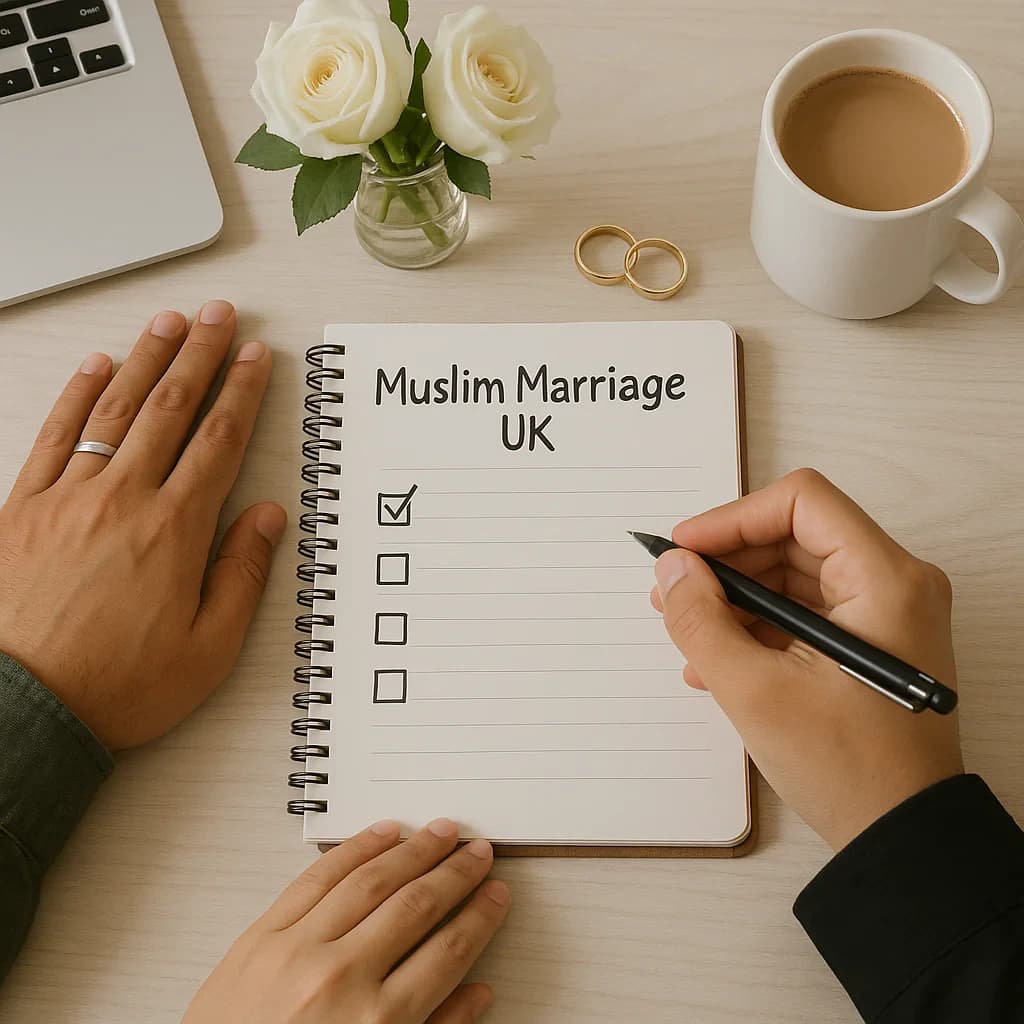
Böyük Britaniyada Müsəlman Evliliyi üçün Əsas Yoxlama Siyahınız
Böyük Britaniyada uğurlu müsəlman evliliyi üçün praktiki addımları kəşf edin. Britaniyalı müsəlman nigahı üçün hərəkətə keçə biləcəyiniz yoxlama siyahımızla ailə gözləntilərini idarə edin.
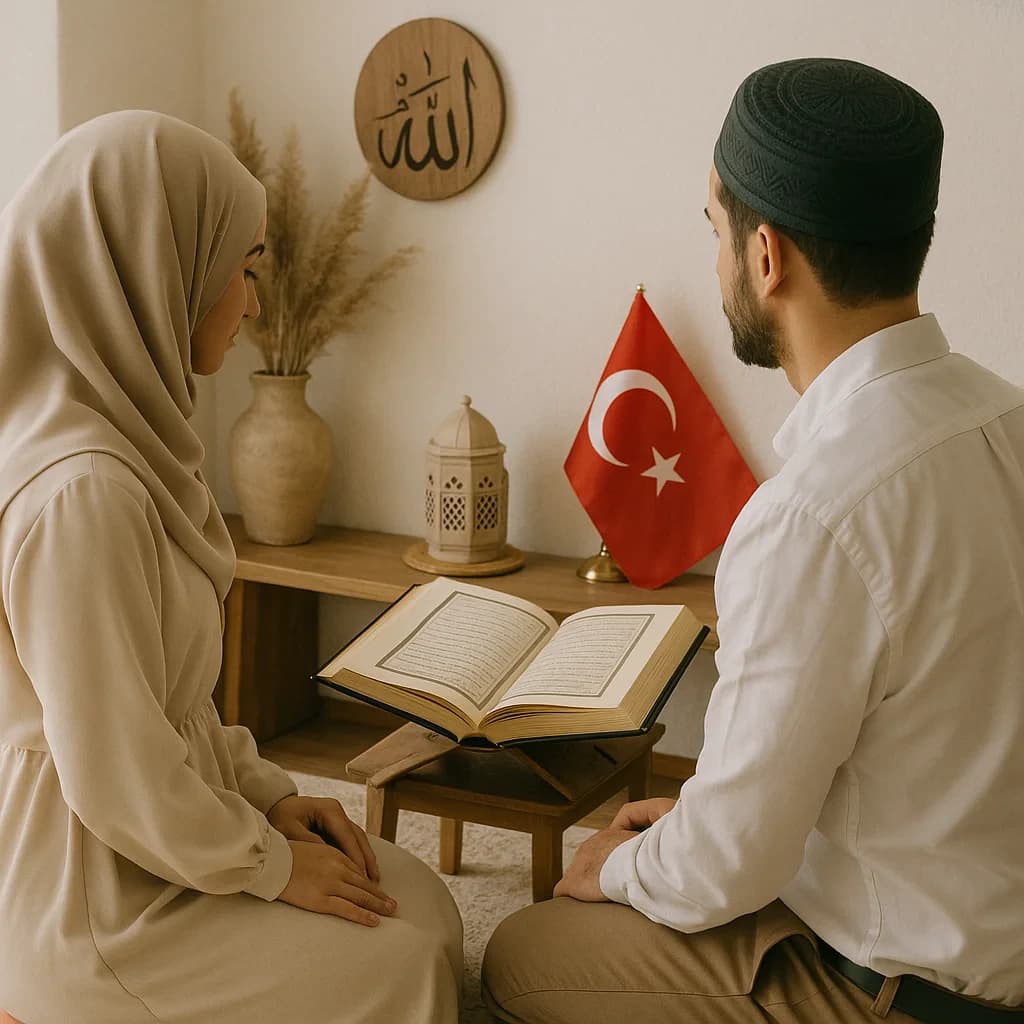
Türkiyədə İdeal Müsəlman Evliliyini Tapmaq üçün 11 Addım
Türkiyədə müsəlman evliliyini istiqamətləndirmək üçün praktik addımları kəşf edin. Halal həyat yoldaşınızla əlaqə qurmaq üçün GoodSpouse istifadə edin. Bu gün səyahətinizə başlayın!